Radio Bulgaria


Author
Tsvetana Toncheva
News
Neli Koycheva on the art of teaching opera in Japan
The Bulgarian opera teacher, who mentored soprano Sonya Yoncheva, presents a solo recital at Tokyo’s Martenitsa Festival
Saturday 28 February 2026 12:10
Saturday, 28 February 2026, 12:10
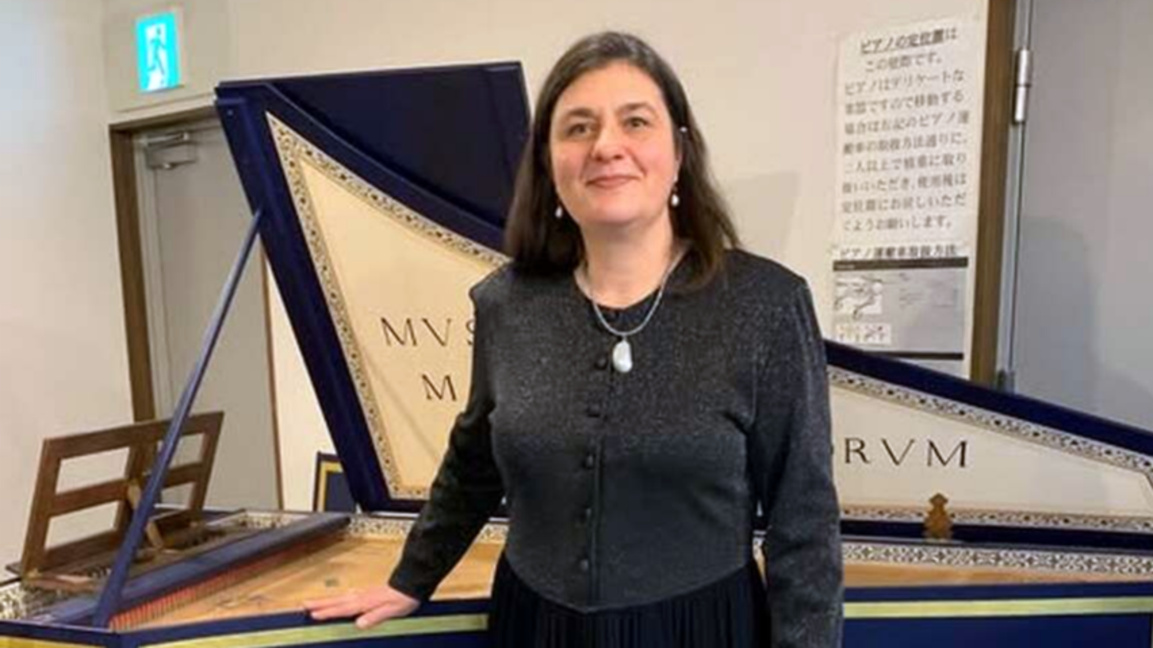
PHOTO the Embassy of Bulgaria in Japan
Font size
On 1 March, Tokyo’s Miyashita Park will host the Bulgarian Embassy’s fourth Martenitsa Festival, celebrating Baba Marta, the spring tradition in which martenitsi are exchanged as tokens of health and good fortune. One of the highlights of this year’s festival will be a solo recital by opera singer Neli Koycheva.
Neli Koycheva graduated from the Music School in Plovdiv and later from the Prof. Asen Diamandiev Academy of Music, Dance and Fine Arts, where she specialised in classical singing. She holds a Master’s degree in Vocal Pedagogy and a PhD in Musical Studies and Musical Arts. Her career as a vocal pedagogue began at the Music School in Plovdiv and continued at both the Academy and Paisii Hilendarski University of Plovdiv. Many of her former students now perform on leading European and international stages, among them the world-renowned soprano Sonya Yoncheva.
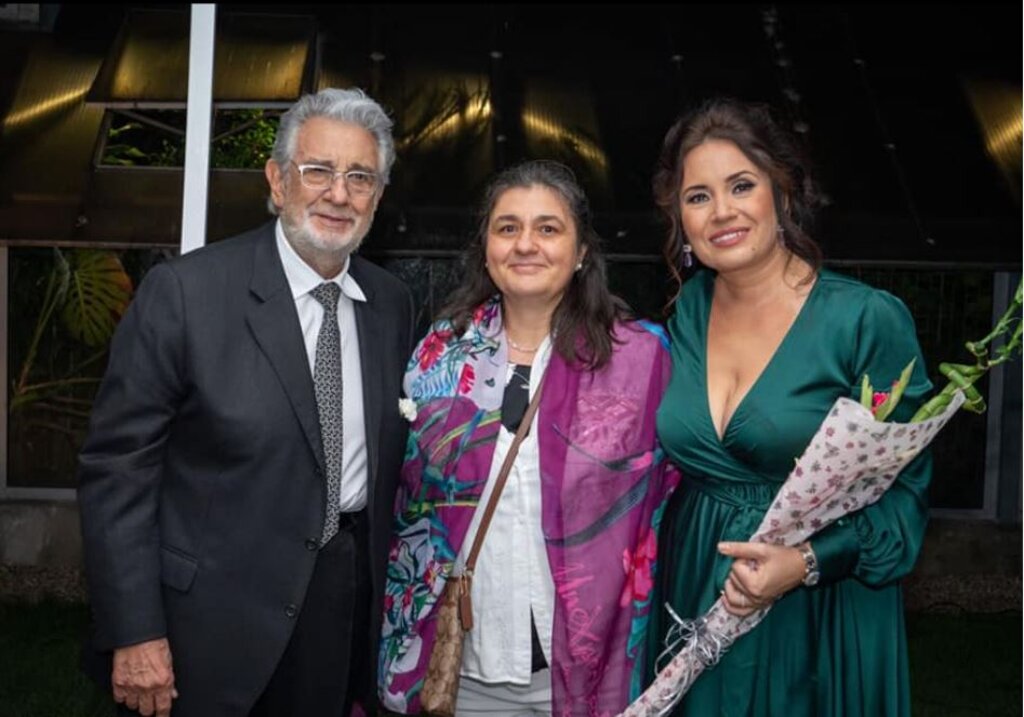
Neli Koycheva (centre) with her former student, soprano Sonya Yoncheva, and tenor Plácido Domingo.
PHOTO Facebook/ Sonya Yoncheva
Since 2010, Koycheva has lived in the Japanese city of Kobe. She has received an award from the Bulgarian Ambassador in Tokyo in recognition of her contribution to promoting Bulgarian classical music in Japan through collaborations with Japanese artists, and has won prizes at Japanese music competitions. She currently teaches vocal technique at the Bel Canto Studio in Tokyo and collaborates with the Ramo Theatre in Kobe.
In an interview with Radio Bulgaria, Koycheva said this will be her first participation in the Martenitsa Festival. She has prepared a programme devoted entirely to Bulgarian music and describes it as a pleasure to take part in an event promoting Bulgarian culture and traditions in Japan, particularly the custom of making and wearing martenitsi, included in UNESCO’s List of the Intangible Cultural Heritage of Humanity.
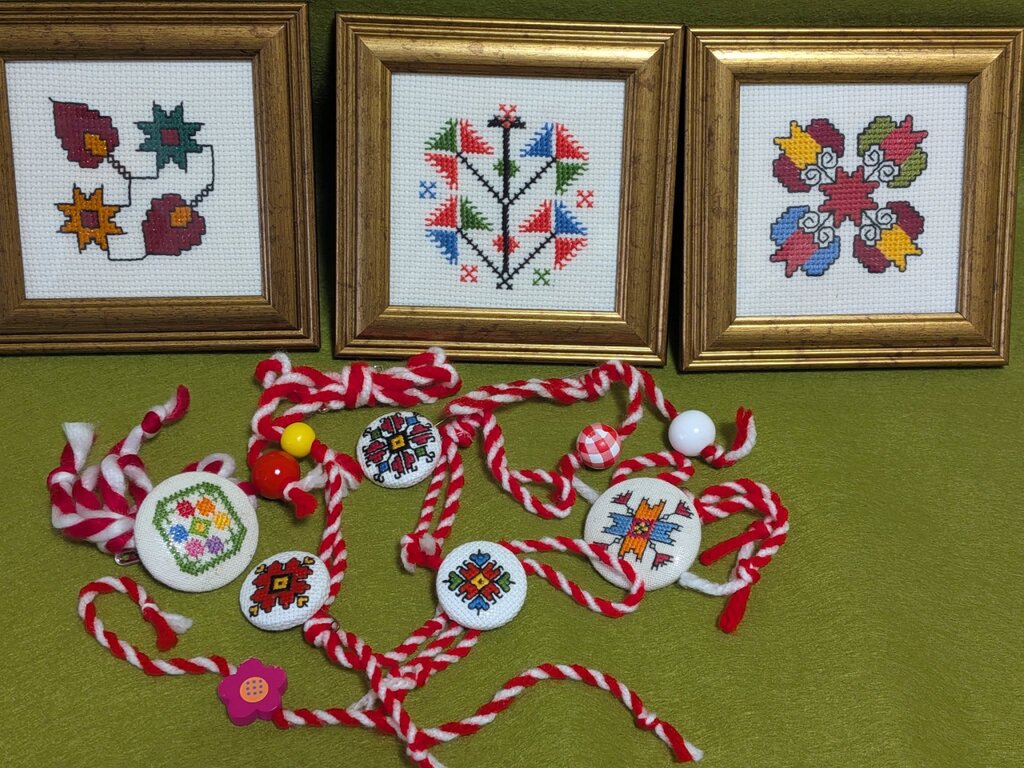
PHOTO the Embassy of Bulgaria in Japan
“Visitors will have the opportunity to make their own martenitsa and enjoy performances of Bulgarian music and dance. They will also be able to sample a variety of Bulgarian culinary specialities, including banitsa, cheese, wine, rakia, tea, jams, honey and rose products. There will be workshops where visitors can try writing their names in Cyrillic,” Koycheva says.
Japanese performers specialising in Bulgarian folk music and dance will also take part in the festival.
“There is an excellent Japanese ensemble in Tokyo that performs Bulgarian folk dances beautifully, and I have sung with them at a festival before. I hope to meet them again this time,” the singer adds.
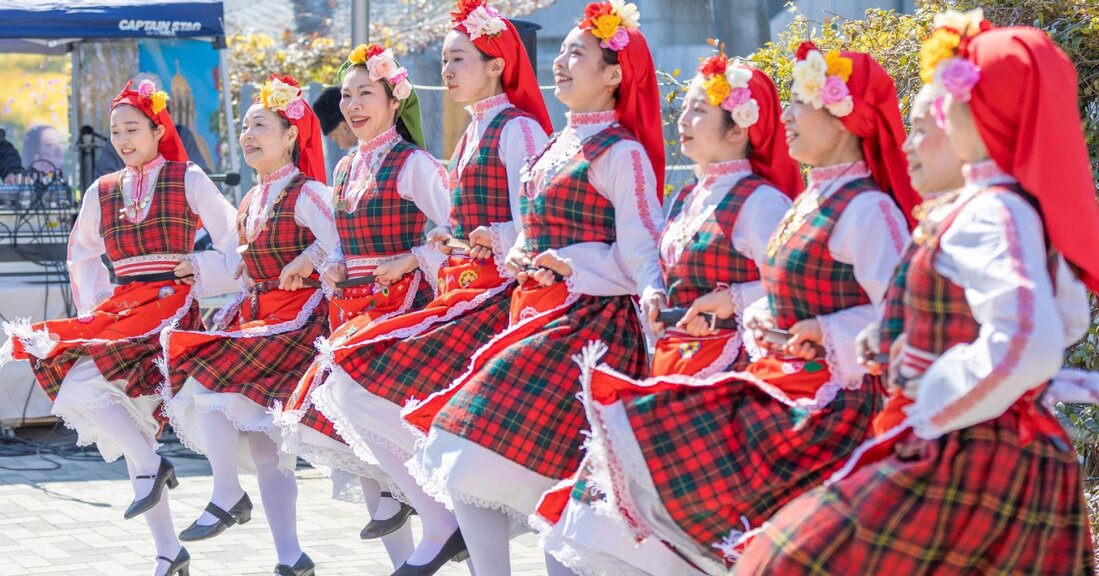
PHOTO the Embassy of Bulgaria in Japan
Neli Koycheva’s teaching career is equally impressive. One of her earliest students in Plovdiv was accepted to continue her studies in Los Angeles.
“Gradually, each student found their own path, and the class grew little by little. Yes, Sonya Yoncheva was my student at the music school. She was extremely diligent, immensely talented and deeply serious about her studies. Together, we decided that she should continue in Geneva, where she was admitted with the highest entrance result among all candidates. From there, her career developed brilliantly. Her brother, Marin Yonchev, was also my student and went on to study in Geneva, followed by another of my students.”
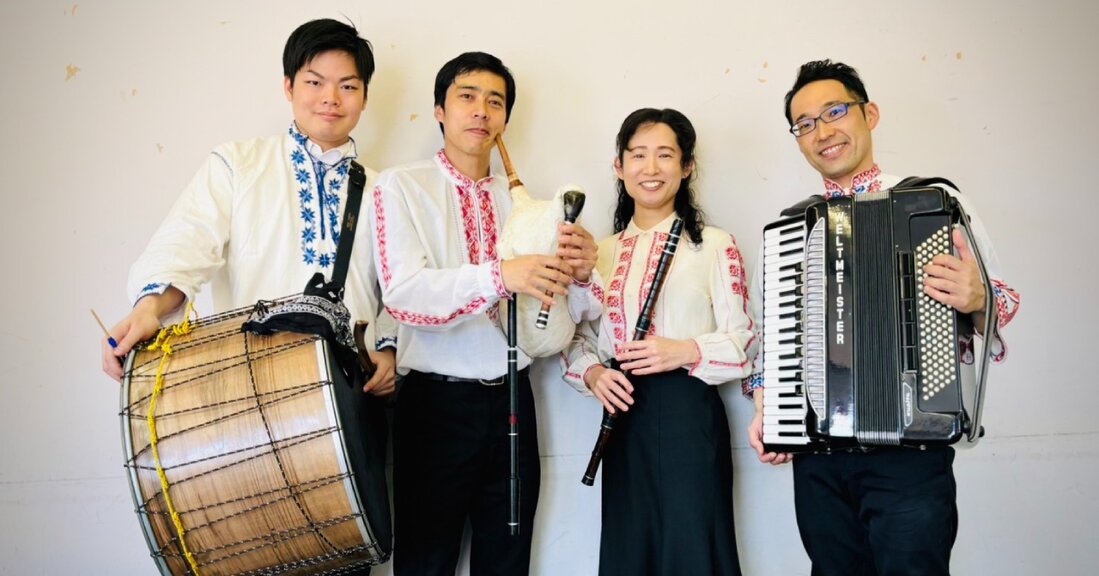
PHOTO the Embassy of Bulgaria in Japan
Many of her students have gone on to continue their studies in Vienna, Brussels, Dublin and the United States. After 15 years of teaching in Bulgaria, she moved to Japan due to personal circumstances. Initially unable to speak Japanese, she spent her first two years singing in an ensemble. Gradually, students seeking to master classical bel canto vocal technique began approaching her.
In 2016, she won a competition in Tokyo and was invited to teach at the Bel Canto Studio, where she works with opera singers on vocal technique and interpretation.
Life in Japan
“At first it was difficult, but with persistence you gradually learn the language and establish yourself professionally. You asked me what language I teach in — I now teach entirely in Japanese. Previously, it was mostly English, with a little Italian, but now I actually feel more comfortable conducting my lessons fully in Japanese.”
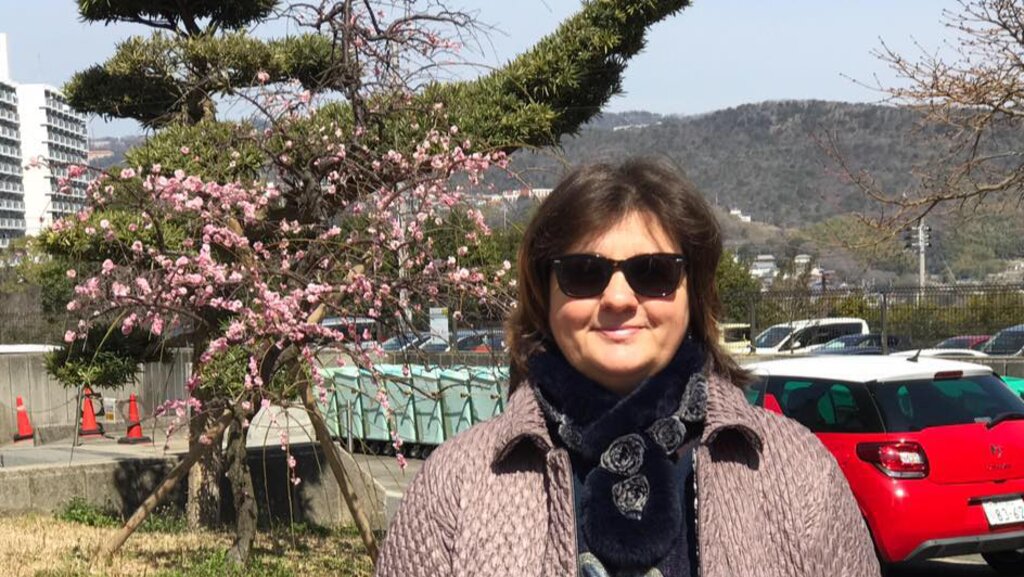
PHOTO Facebook/ Neli Koycheva
“I was captivated by the beauty of Japan. Everything is beautiful — the architecture, the gardens. Wherever you look, wherever you go, everything is thoughtfully designed. The cleanliness and sense of order are remarkable, and everyone takes care of their surroundings. Gradually, you adapt. Personally, I greatly appreciate the sense of community, the organisation, and the fact that everything is prepared well in advance and carried out with precision.”
Bulgarian and Japanese Students: Is There a Difference?
With three decades of teaching experience, Koycheva offers an informed perspective:
“I must say there is no essential difference between my students in Bulgaria and those here in Japan. A musician simply cannot develop without tireless work and constant dedication to improvement. I do not have direct insight into the youngest generation in Bulgaria today, but until about fifteen years ago students were extremely serious. Those I worked with never spared their efforts. They attended lessons regularly and followed every instruction. They all went on to find professional fulfilment.”
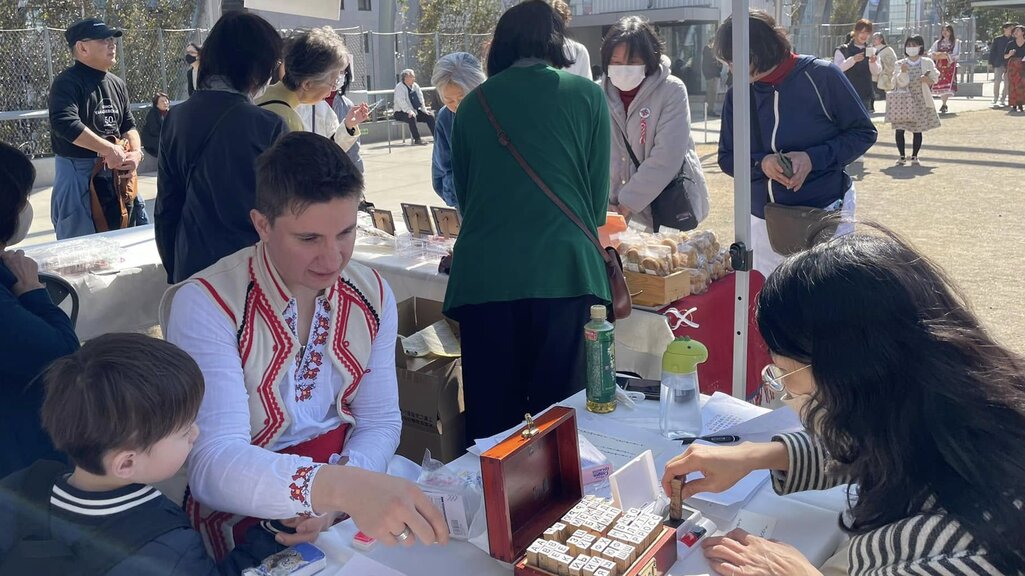
PHOTO the Embassy of Bulgaria in Japan
“When I arrived, I began working primarily with professional opera singers. Being a professional means working around the clock to maintain your level — the competition here is very strong. Both Bulgaria and Japan have highly talented and hardworking musicians, and many gifted singers with wonderful voices achieve a great deal through dedication.”
What Attracts Japanese Audiences to Bulgaria?
“There is a very warm and friendly attitude towards Bulgaria and Bulgarian society. We are very well received. Bulgarian music and dance are greatly appreciated, and many Japanese people want to learn them. Even in Kobe, there are Japanese performers who dance Bulgarian folk dances, and I have performed with them at several festivals.
Another extremely popular product here is Bulgarian yoghurt. It is highly regarded — every supermarket stocks it, and it is always the first to sell out. Everyone loves it. Bulgarian sumo wrestlers are also very popular; people know them well, have watched them compete and admire them.”
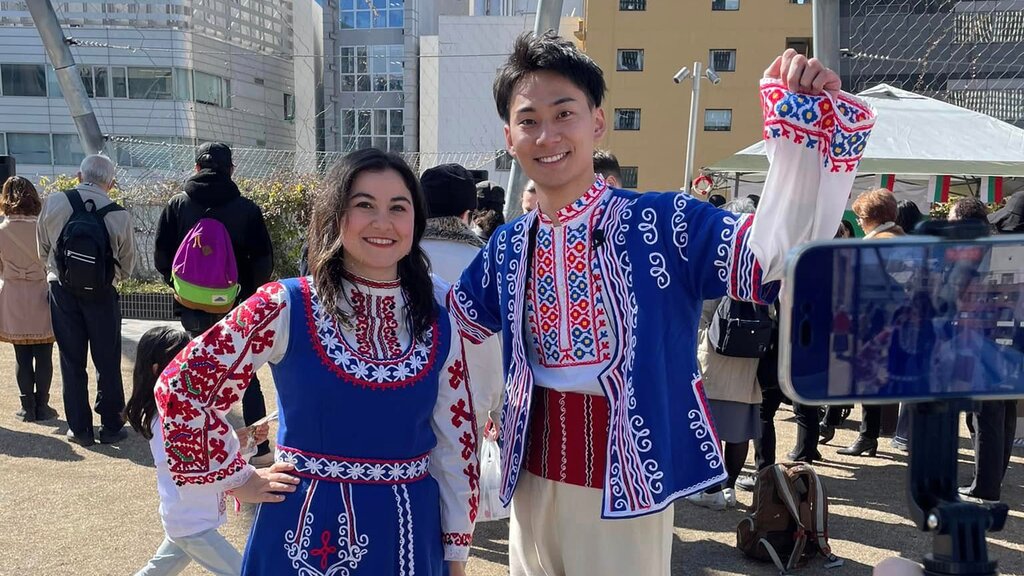
PHOTO the Embassy of Bulgaria in Japan
A Spiritual Connection?
“This belongs more to the realm of speculation,” Neli Koycheva says with a smile. “Since the Proto-Bulgarians originated in Asia, there may be a slight possibility of certain similarities. But from a contemporary perspective, what I see as common between our two nations is a profound respect for education. In Bulgaria, educated people are held in high regard, and the same is true here in Japan. Every parent does their utmost to ensure their children graduate from a prestigious school or university — just as in Bulgaria.”
At the end of the interview, Neli Koycheva — a Bulgarian artist living in Japan — wishes all Bulgarians “health, to be white and red like the martenitsa, and for everyone to achieve what they dream of.”
Editor: Elena Karkalanova
Posted in English by E. Radkova
This publication was created by: Elizabeth Radkova