Radio Bulgaria


Author
Diana Tsankova
News
Early parliamentary elections
Turnout surge driven by new political players proves short-lived
“Over the past 20 years, politics has shifted from substance to political manoeuvring,” says civic activist Chavdar Vlachkov
Monday 2 March 2026 10:35
Monday, 2 March 2026, 10:35
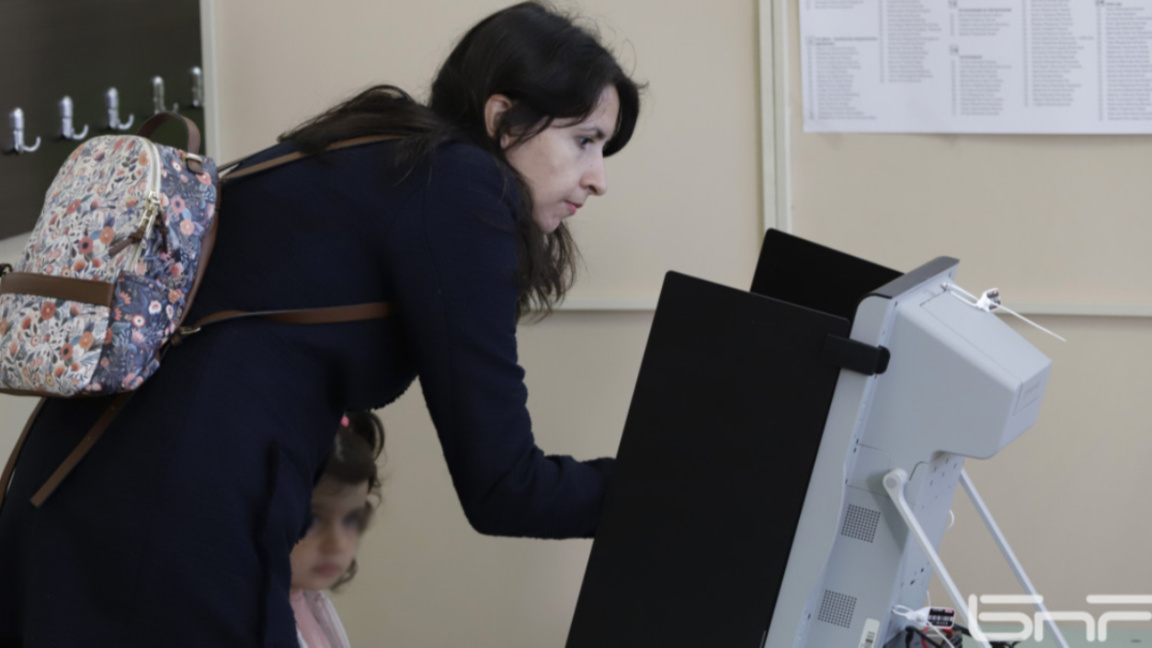
PHOTO BNR
Font size
The national campaign Cast Your Vote, backed by the NGOs Networks in Action, National Development Network and League of Young Voters, aims to encourage citizens to recognise the importance of voting and to take a more active role in political life.
In the short time before the early parliamentary elections on 19 April, the organisers are planning to hold debates with MPs, educational meetings and public surveys.
According to the latest polling data, turnout at the upcoming election is expected to be significantly higher than in recent years. Participation in the last parliamentary vote in October 2024 stood at just under 39%.
The anticipated rise is largely attributed to the emergence of a new political player: former president Rumen Radev, who has moved from the role of non-partisan national figure to that of an active politician.
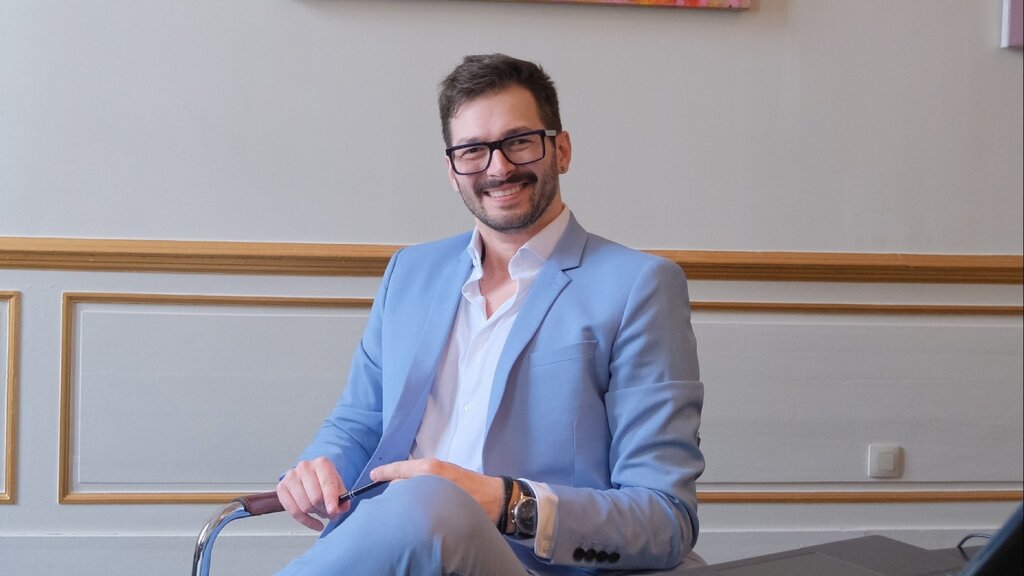
'This kind of increase in turnout is temporary — it’s not sustainable in the long term, and it often ends in disappointment,' says Chavdar Vlachkov of the National Development Network. 'That's why voting shouldn't be a one-off act. It must become part of our behaviour as citizens, alongside engagement in many other public activities. My concern is that we may once again be disappointed because people expect change to happen quickly — and it never does.”
Chavdar Vlachkov
PHOTO Personal archive
The widespread reluctance among Bulgarians to vote, he argues, has deeper roots. It can be traced back to the blurring of the political landscape during Simeon Saxe-Coburg-Gotha's government between 2001 and 2005, when promises to overhaul the political system — including the populist pledge to 'fix Bulgaria in 800 days' — reshaped public expectations.
'Over the past 20 years, politics has shifted from substance to politicking,' says Vlachkov. 'In other words, we talk about politics, not policies.' As an economist, I often struggle to determine what the different parties actually stand for, either economically or socially. The distinction between left and right has become blurred and turned into this almost moral battle between good and evil, while any real vision for how society should change is missing. Systemic disappointment and the focus on personalities rather than policies keeps driving turnout down until a new political figure emerges. But whoever that figure is, public trust rarely lasts long.’
One of the goals of the Cast Your Vote campaign is to promote the critical reading of news and public information through educational seminars across the country. However, how can weak political literacy, belief in conspiracy theories, and an inability to recognise hybrid disinformation be addressed in just a few weeks before an election?
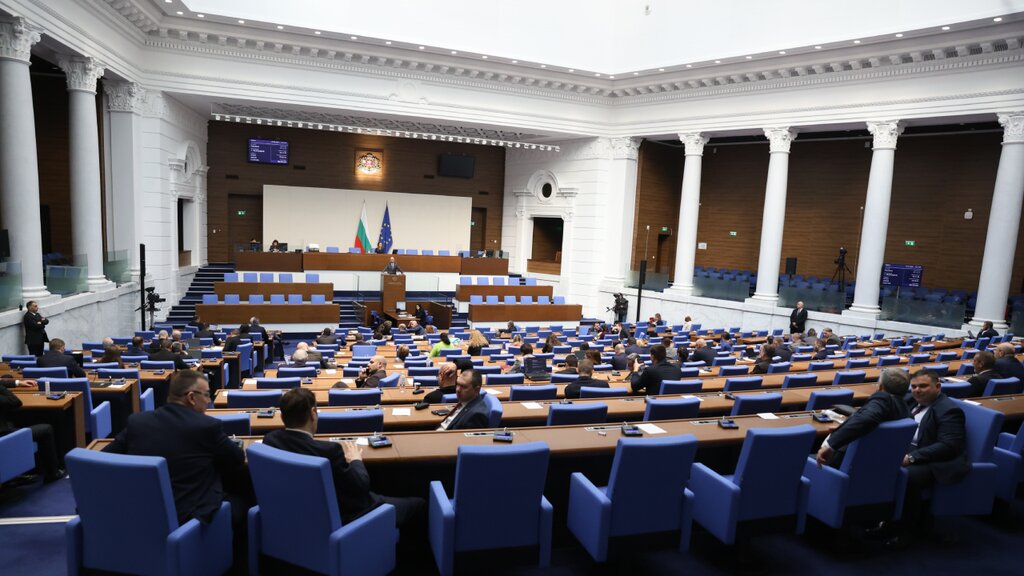
PHOTO BTA
‘We’ve only just started the process, and it certainly won’t end with these elections,’ says the civic activist.
‘Social media and information channels are flooding us with fake news and external hybrid attacks. There are countless fake profiles, or 'troll farms', amplifying certain narratives. At the same time, people are turning away from media outlets that adhere to journalistic standards, making proper information harder to access.
That’s why dialogue needs to move beyond social media, because what happens there is extremely unrepresentative.”
He argues that genuine debate must return, with discussions focusing on policy substance, economic strategy, and Bulgaria’s long-term vision.
At moments when public reaction seems muted, Bulgarians often hear the phrase that “the nation is asleep”. Vlachkov, however, views this detachment as a form of self-protection, a way for people to preserve their humanity in a society marked by recurring shocks. He cites the Petrohan case, alongside reports of violence against both people and animals, as the starkest examples of this reality. Consequently, non-governmental organizations have set themselves the task of highlighting the democratic levers available to citizens, encouraging them to use these tools to address the suffering in their communities.
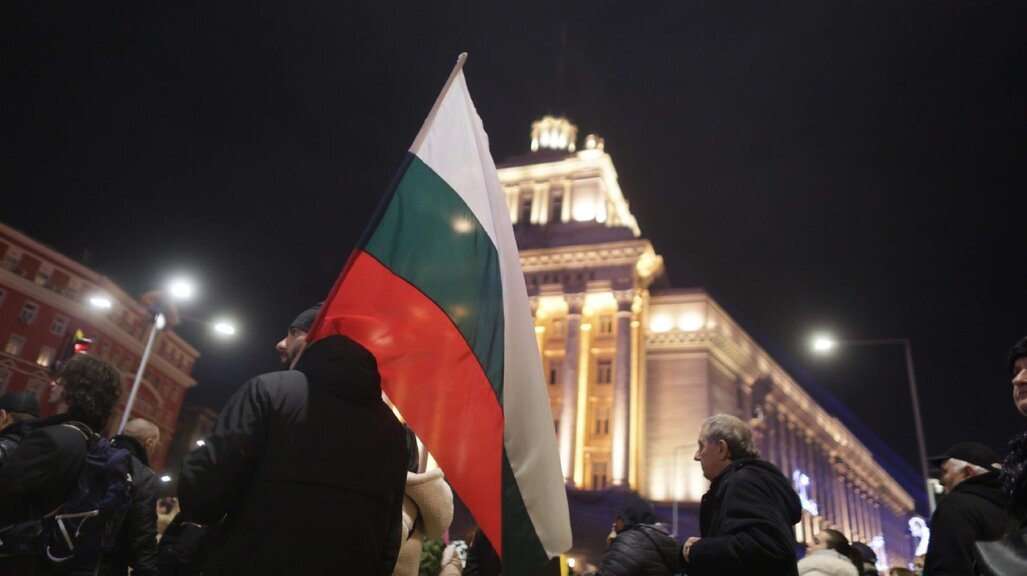
PHOTO BTA
“It’s important to show there is a critical mass and that change is possible, starting within our own communities and by demanding more from the people those communities put forward,” he adds.
Having lived for years in Brussels and taken part in organising elections there, a process he describes as particularly demanding, Vlachkov is sharply critical of the Bulgarian parliament’s decision to limit polling stations outside the European Union to just 20.
“This cynical debate over who is ‘more Bulgarian’ depending on where they live is outrageous,” he says.
'Instead of trying to include communities whose future generations we risk losing altogether, we’re doing the opposite — effectively telling them they have fewer rights and are somehow less Bulgarian than others.' That’s yet another attempt to politicise what should be a principled issue. It has also been argued that the decision itself is unconstitutional.’
- Bulgarians in Scotland and Northern Ireland: New rules make it difficult to vote
- Parliament rejects President Iliana Iotova’s first veto
- Daniel Djenev from Chicago: New voting restrictions make no sense
- Déjà vu: Fewer polling stations and more obstacles for Bulgarians voting abroad
According to Vlachkov, the restriction could backfire, prompting Bulgarians abroad to vote in large numbers despite long journeys and logistical difficulties. If this determination, both abroad and at home, is matched by an informed vote, it could signal that citizens are finally prepared to accept the cost of genuine reform.
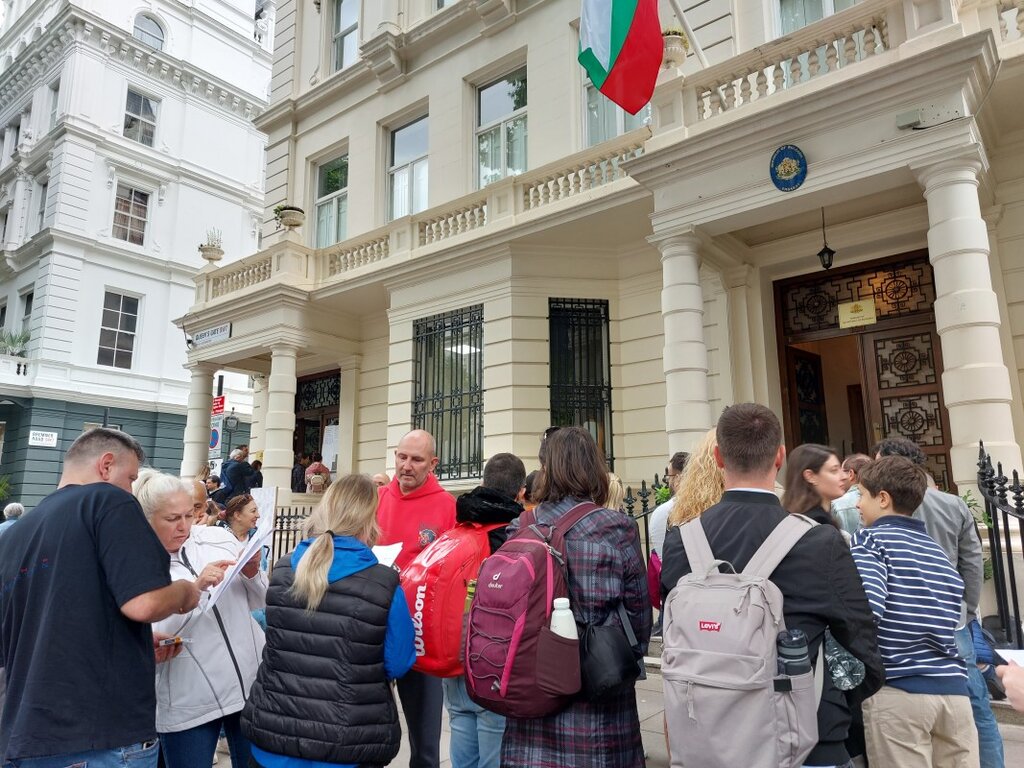
Queue to vote in the UK.
PHOTO BNR archive
‘Institutions have been hollowed out,’ he says. ‘Like society itself, they have become victims of political instability and inconsistent economic and social policies over the past 10 to 15 years.’ Bulgaria needs deep reform in many areas. We saw the water crisis this summer — a problem decades in the making. Education and healthcare also face serious structural deficits. Real reform comes at a political and social cost, but it shouldn’t be paid by the poorest. When we talk about economic policy, for example, we should be discussing progressive income taxation, rather than raising taxes that affect the most vulnerable in society.”
Vlachkov concludes that Bulgaria needs statesmen willing to act not for another electoral mandate, but for lasting change, even if that means losing power the next time around.
Editor: Elena Karkalanova
Edited and posted in English by E. Radkova
This publication was created by: Elizabeth Radkova