Radio Bulgaria


Author
Darina Grigorova
Sunday 8 March 2026 08:15
Sunday, 8 March 2026, 08:15
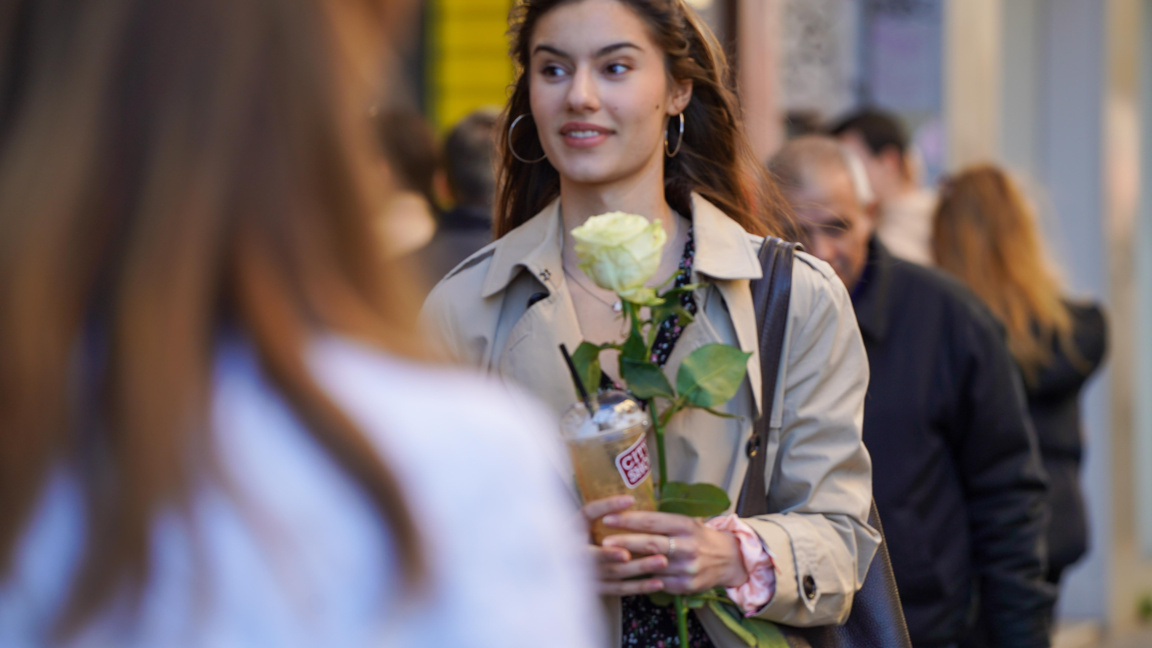
PHOTO BGNES
Font size
Whether seen as a day to celebrate women’s rights or as an occasion to show appreciation and respect for mothers, partners, teachers, or colleagues, March 8 is more than a tradition from the recent past when women were regarded with greater respect.
Of course, we don’t need a special day to give a flower or express love and gratitude to the women in our lives, but it is nice to take at least one day a year to reflect on what women have gone through to stand alongside men as full members of our modern society.
What does March 8 actually mean for Bulgarians, and will women receive a flower for the holiday? Radio Bulgaria’s survey seeks to find out.
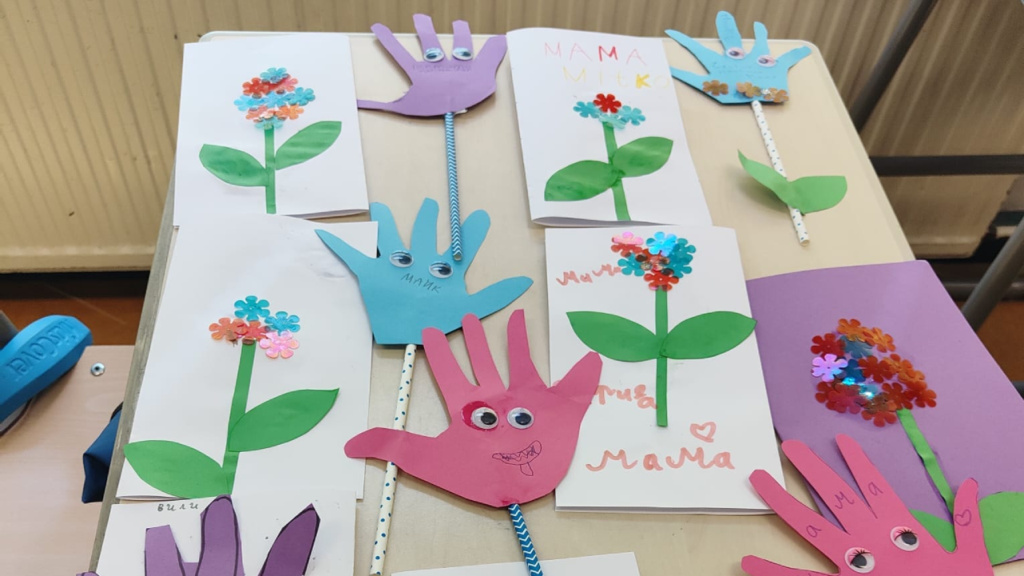
PHOTO BTA
“March 8 is the day to honor mothers”, says nine-year-old Gabi. “We usually give our mothers flowers and cards. Last year, my brother and I made a very beautiful card with a kitten holding a heart, and it said ‘Happy March 8’. Usually, we give a small bouquet of flowers. This year, I plan to make her a bracelet and a card, and my dad and brother will give her flowers”, Gabi went on to say.
When asked whether a special holiday is needed to make mom happy, she replies: “You don’t need a special occasion to give gifts. Sometimes I make drawings or little pieces of jewelry. They are signs of love and attention, to show that we love her and notice small changes in her, like a new hairstyle or new clothes, when she is happy.”
A small gesture of attention is considered essential for the holiday, which will be marked in one way or another:
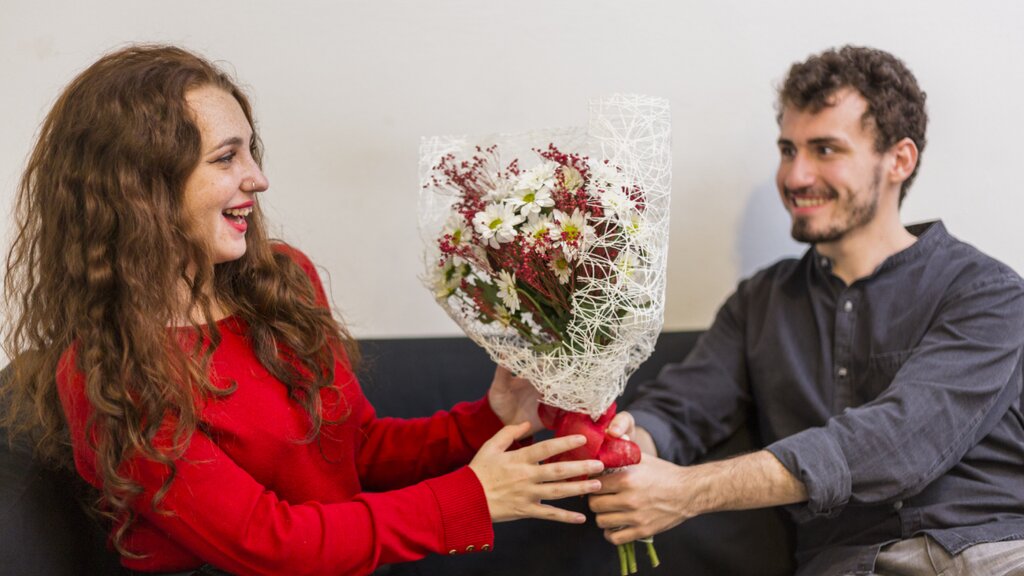
PHOTO freepik.com
“This is a holiday that should be observed and celebrated”, says Boryana Vladimirova, who hopes to receive a flower for the occasion and stresses that women deserve respect.
Veselina Mitkova also shares the view that women play an important role in today’s world and believes it is essential to remember how they achieved their rights.
“In our family, everyone knows the meaning of March 8, where it comes from, and what the suffragettes’ goals and struggles were”, says Veselina, a mother of two. “Even the children understand the origins of the holiday and its purpose. So we don’t see it as outdated or irrelevant today.”
That’s why Veselina’s husband will give her a flower, as he does every year.
Alexander Sandev will give a flower as well, sharing the view that the holiday deserves to be observed.
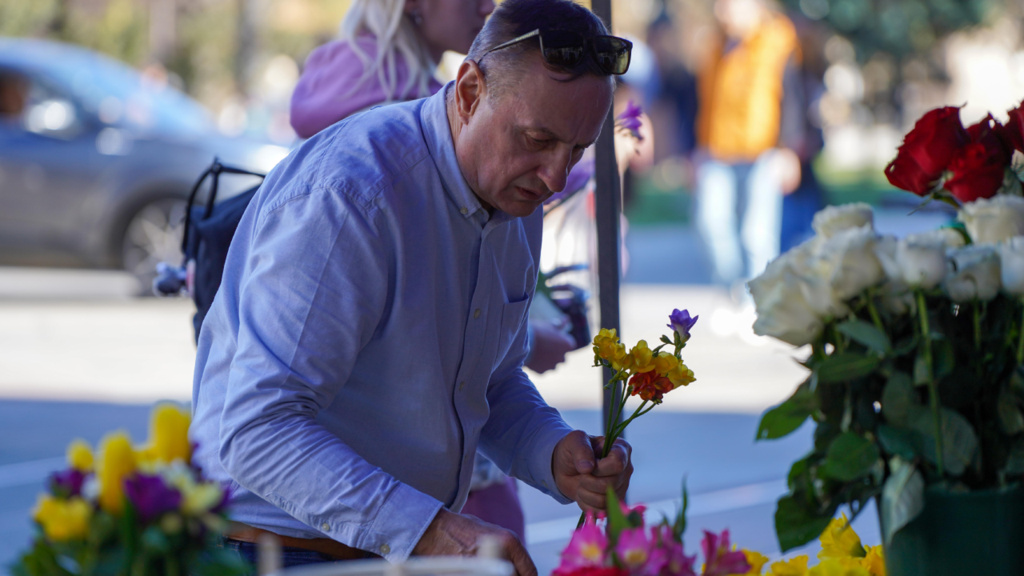
PHOTO BGNES
“I think this is an important gesture—a gesture of respect and love, which, in my view, shows attention and gratitude. Skipping this day sends a biased and negative message. Many holidays are being revised, even trivialized. This is a demonstration of a certain modernism, nihilism”, said Alexander Sandev.
For Bulgarians, in addition to being the source of life and the guardian of family traditions, the mother is a symbol of boundless self-sacrifice, and the bond with her is sacred and deeply emotional. She is the protector and the pillar of support, praised with love and affection in the well-known children’s song “Mila Moya Mamo” (My Dear Mother). Every year, Angelina greets her mother with this song, even though she is now grown and has a daughter—from whom she will, of course, receive a flower. For her, the Christian holiday honoring women and mothers—Annunciation—is also important.
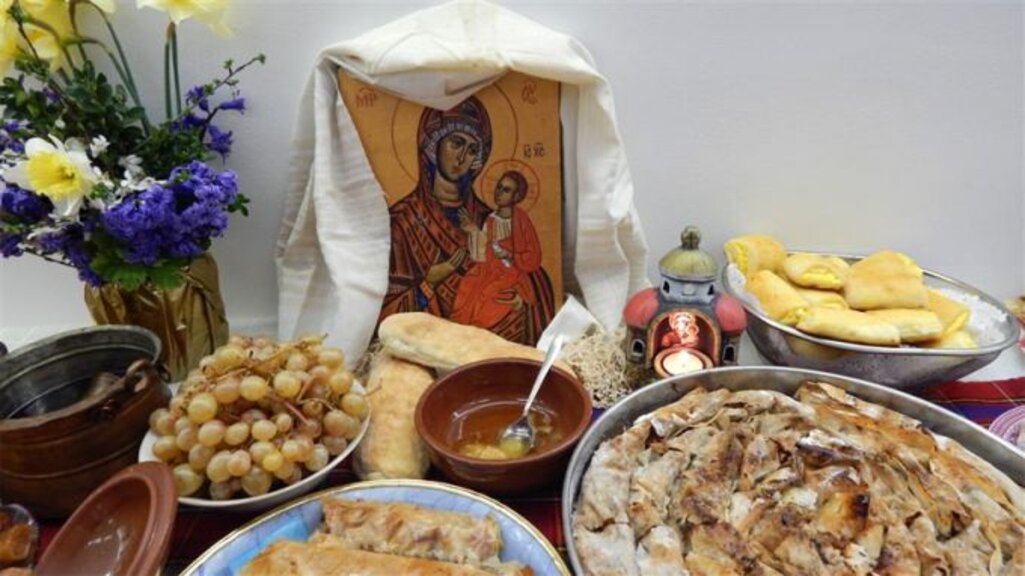
PHOTO archive
“This is perhaps one of the most beautiful Christian holidays. Maybe it is time for us to start turning back to our Orthodoxy—to awaken, because in these troubled times it may be our faith that will sustain us”, said Angelina.
According to Alexander Sandev, the two holidays dedicated to women are quite different in their nature and message.
“She is an equal human being, and we owe her unconditional respect. There is also a very important detail: the most venerated person is, in fact, a woman. The most revered figure in the Church is a woman. She stands above the angels and above all ranks; in the hierarchy she holds the highest place”, said Alexander Sandev.
Translated by Kostadin Atanasov
This publication was created by: Kostadin Atanasov