Radio Bulgaria


Author
Tsvetana Toncheva
News
The Sailor’s Star - a song about love's guiding star of composer Georgi Genkov
Sunday 8 March 2026 07:15
Sunday, 8 March 2026, 07:15


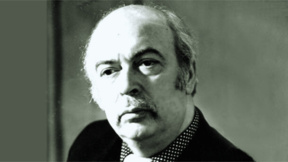
Georgi Genkov (1929 – 2010)
PHOTO ubc-bg.com
Font size
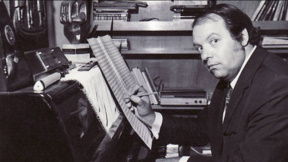
Bulgarian composer Georgi Genkov (born 3 March 1929) stands among the most distinguished and influential creators in Bulgarian cinema and theatre of the second half of the 20th century. The author of a wealth of remarkable songs, he composed music for hundreds of stage productions and films and received numerous awards at prestigious festivals. Scholars have discerned in his work - particularly in the pieces written for children - “a highly refined aesthetic of a Wildean kind.” This quality is perhaps most closely connected with his deep friendship and creative collaboration with eminent Bulgarian poet and translator Valeri Petrov.
Genkov’s children’s musicals based on verses by Petrov, together with the opera Byala Prikazka (“A White Fairy Tale”), remain among the finest works of their kind created in Bulgaria. Yet the composer’s great artistic passion was cinema. About two decades ago, in an interview for the newspaper Kultura, he reflected:
“When a film is being made, the members of the crew become something like a family. The very process of making the film keeps the team in a state of constant creative exhilaration. And this does not happen in any other art.”
Genkov composed the scores for 52 feature films, 120 animated films, 26 short films, and 18 television plays. Among them are beloved titles such as The Tarnovo Queen, The Prince’s Thirteenth Bride, Evenings at Antimovo Inn, I, the Countess, and Time of Parting.
His partnership with the director Ivan Andonov proved both fruitful and successful: Ladies’ Choice and Dangerous Charm are but two popular examples, while the silent film White Magic, based on a screenplay by the great poet Konstantin Pavlov, continues to stir the imagination with its near-total absence of dialogue and the beautiful music of Georgi Genkov.
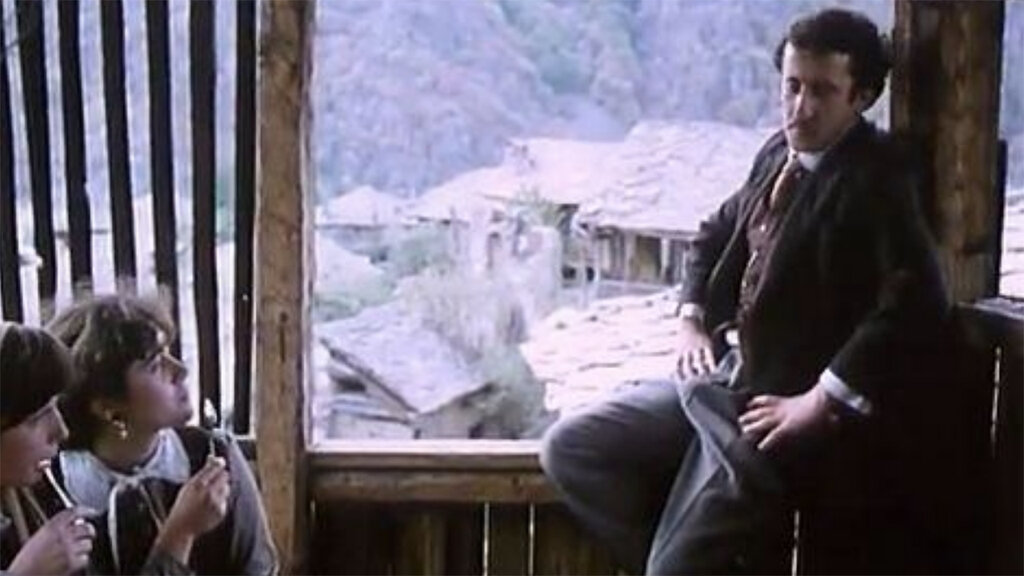
Scene from the film "White Magic" of director Ivan Andonov
PHOTO BNT
“In everything he wrote… his style is always recognizable, despite the diversity of dramatic material for which he composed,” observes the composer’s wife, the film director Bistra Atanasova. She adds that Genkov’s distinctive voice reveals itself “in his exquisite sense of humour, his subtle irony, and his gentle, delicate poeticism.” According to Professor Atanasova, this music speaks directly to the sensibilities of the receptive listener.
Tenderness, delicacy, and sensitivity were also the defining traits of Georgi Genkov himself. With his proverbial modesty he once remarked:
“My modest musicality I inherited from my mother… She spent her entire childhood in Vienna, where she studied piano… Later she graduated from the Conservatory in Prague. Then she married, had three children, and from that moment her life passed in the sorrow that she was now only a housewife. And I inherited that from her as well - my childhood was steeped in a sense of melancholy…”
Writer Rada Moskova, a close friend of the composer, remembers:
“He lived in Lozenets, in an old house half-filled by an enormous grand piano, in the purring company of several cats. They were a legacy from his mother… From her he had inherited the blue gaze and the quiet melancholy of his melodies. In them I would discover a luminous nostalgia and blue-eyed warmth - a reminder of those tones from that place in his life - never obtrusive, yet always unmistakable.”
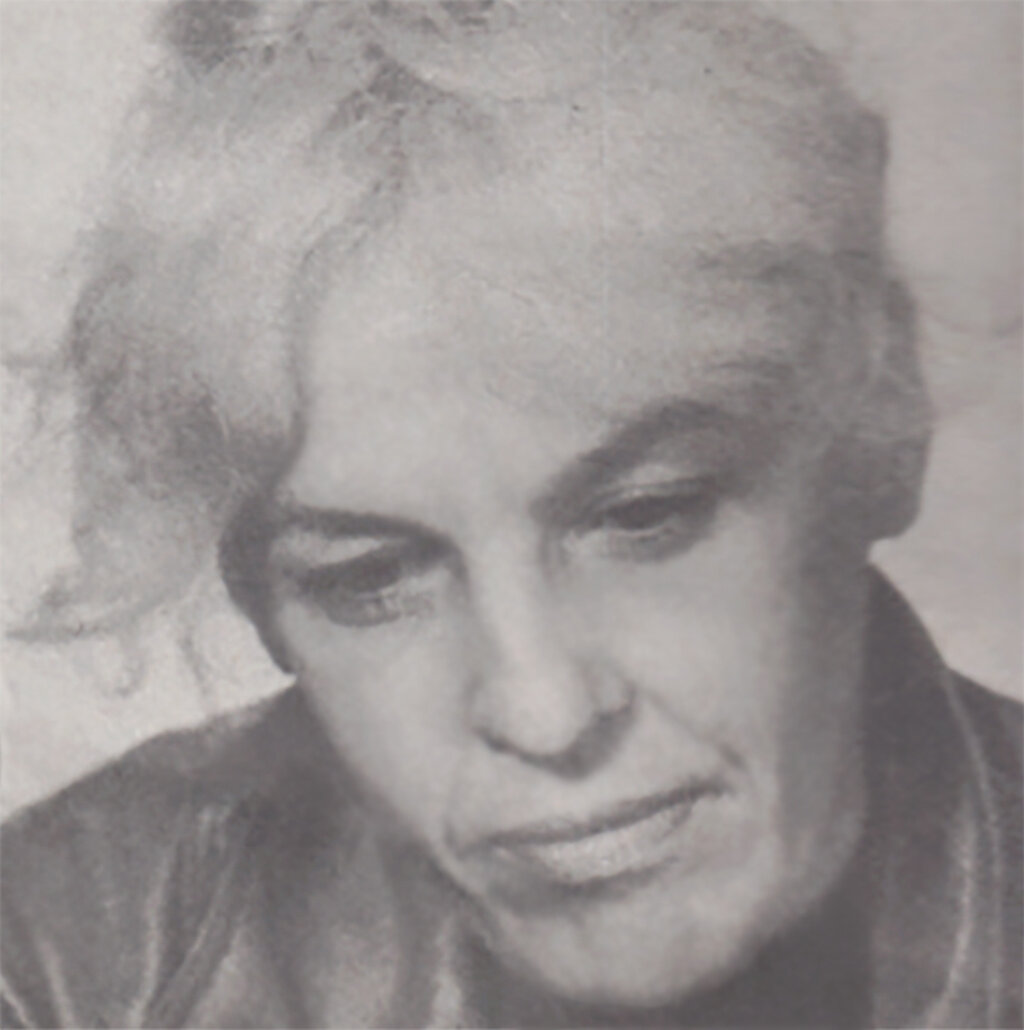
Lada Boyadzhieva (1927 – 1988)
PHOTO jeni-bg-kino.com
That same azure hue and restrained melancholy resonate in yet another Bulgarian musical pearl: “The Sailor’s Star” by Georgi Genkov, set to verses by the remarkable Bulgarian poet, playwright, and translator Ivan Teofilov - another of the composer’s close friends.
The song forms part of the soundtrack to the 1975 film Visa for the Ocean, directed by Lada Boyadzhieva (1927–1988), the first woman director in Bulgarian documentary cinema. Boyadzhieva created 54 documentary, educational, and promotional films. In 1972 and 1974, she independently directed two feature films: The Wind of Travels and Visa for the Ocean.
The latter is a romantic drama depicting the fate of two people: a long-serving sailor and his wife, who waits for him ashore in Lagos, Nigeria.
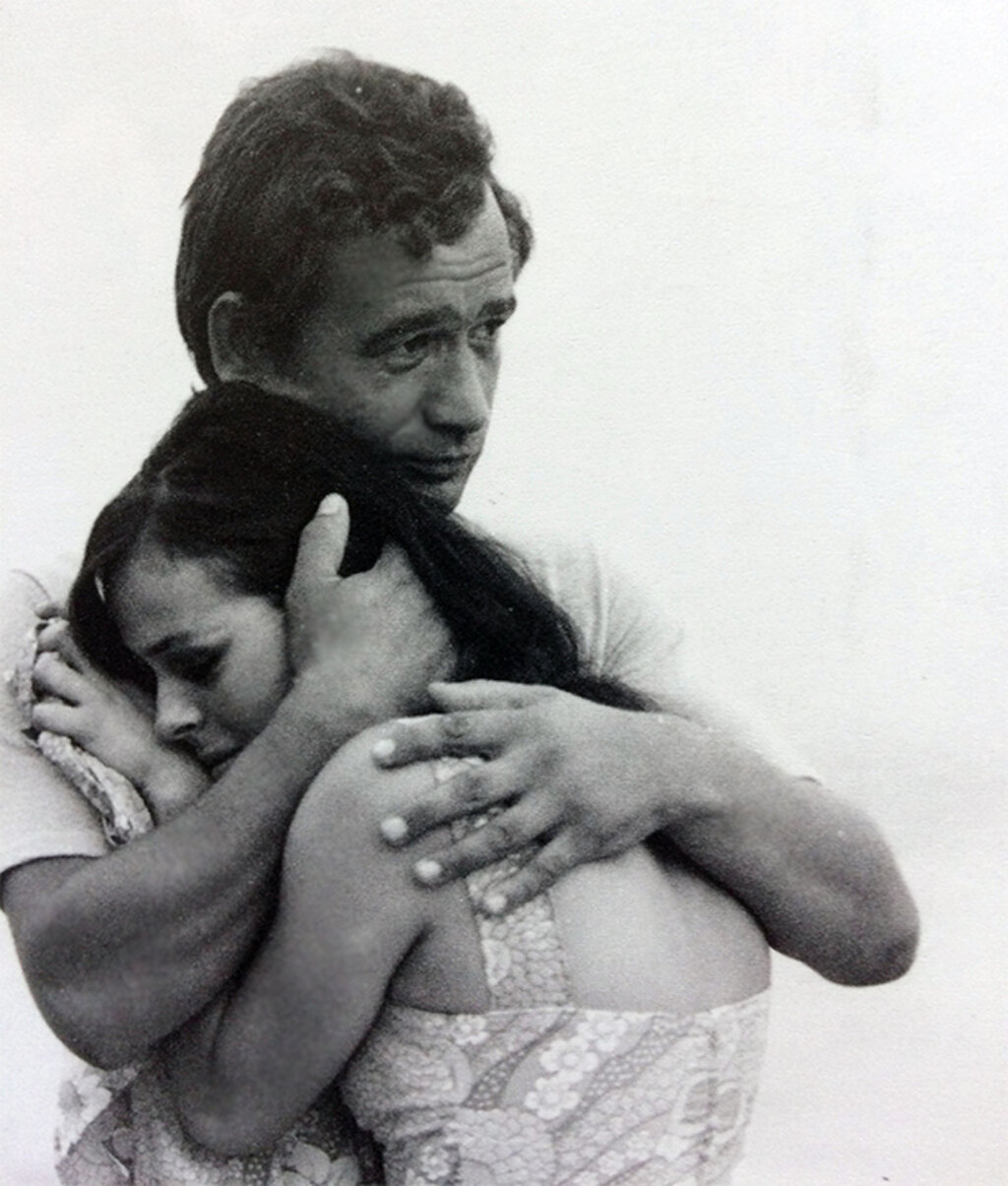
Scene from the film "Visa for the ocean"
PHOTO bnf.bg
Independent and strong-willed, the hero’s wife refuses to spend her life in perpetual waiting. Their reunion reveals years of unspoken tensions and contradictions. Yet each remains true to themselves: he - to his devotion to the seafaring profession; she—to her pursuit of happiness in which compromise has no place.
One love fades away. The sailors once more set sail. And there sounds a song of love that shines upon the ocean like a guiding star, steadfast by day and night.
The performer is the unforgettable Asen Kisimov, whose natural intonation and deeply moving timbre transform this modest miniature into a masterpiece of interpretive artistry.
Apart from its orchestral version the song “The Sailor’s Star” is especially affecting in its most intimate form - accompanied only by the spare guitar of Bozhan Hadzhiev.
English: R. Petkova
This publication was created by: Rositsa Petkova