Radio Bulgaria


Author
Darina Grigorova
News
From container to landfill – problems of separate waste collection in Bulgaria
Monday 9 March 2026 09:25
Monday, 9 March 2026, 09:25
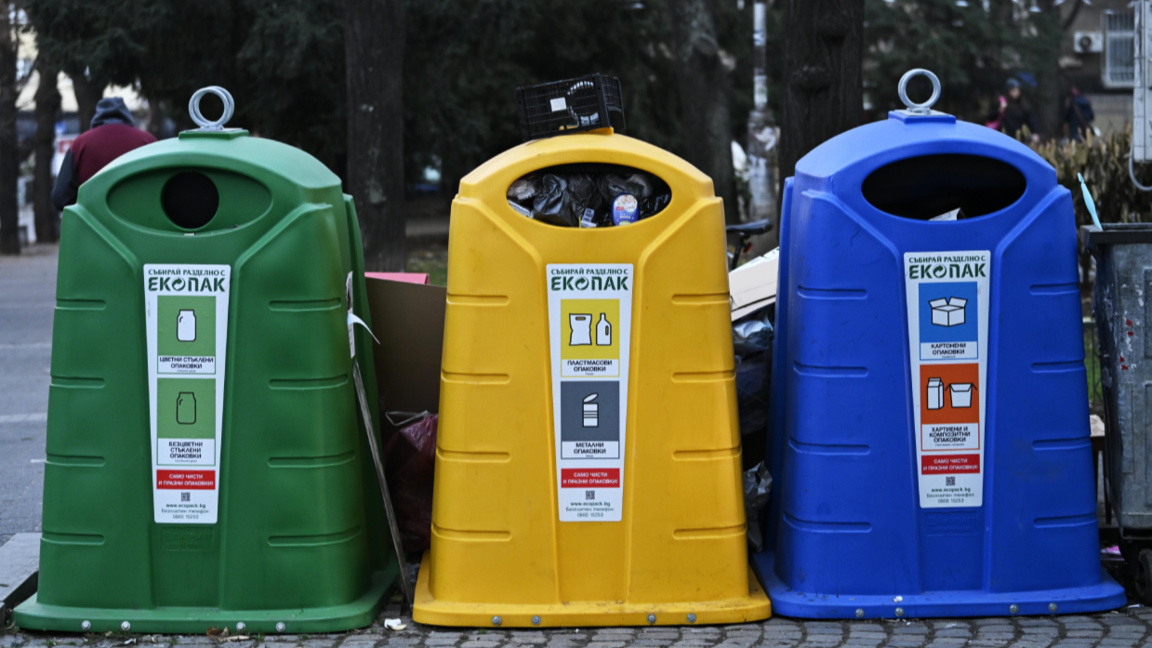
PHOTO BTA
Font size
For more than 20 years, glass, paper, and metal have been disposed of separately in Bulgaria. But are we really managing to do this in the most rational and economically efficient way? With the adoption of the first Waste Management Act in 2003, the first organizations for waste recovery were created, and in 2005 the placement of containers for separate waste collection began. At the same time, however, the issue of a deposit return system seems to have been stuck in place. What is the reason?
According to Danita Zarichinova, an expert in the Zero Waste team at the environmental association Za Zemiata (“For the Earth”), much depends on who the Minister of Environment and Water is and whether they place this issue among their priorities. Recently, environment ministers have changed frequently, and the work of established working groups has repeatedly had to start from scratch, preventing any final decision. As a result, instead of reusing glass bottles and jars multiple times, they go directly into the glass recycling container - or worse, into mixed household waste.
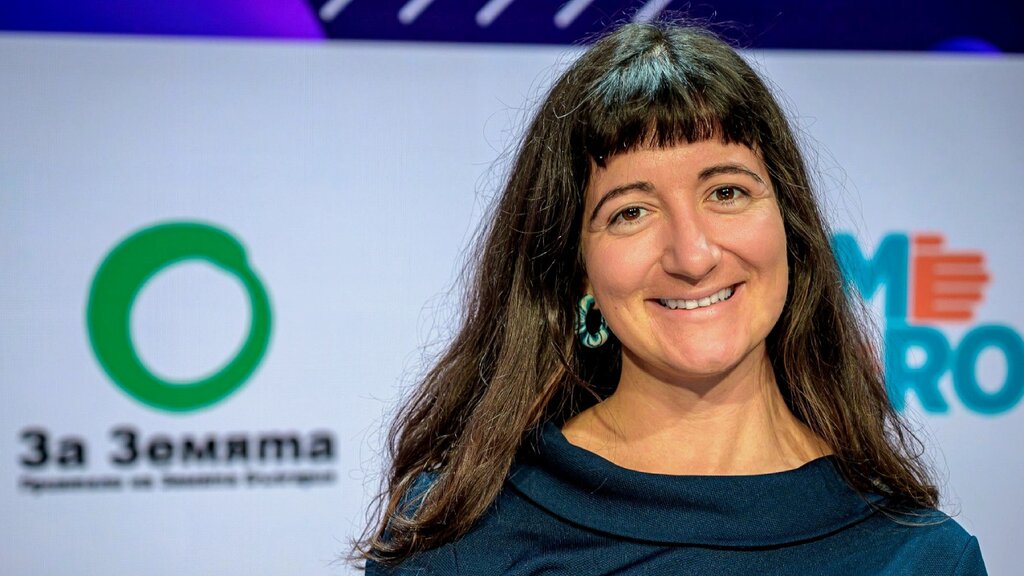
Danita Zarichinova
PHOTO Facebook/ Danita Zarichinova
“Once again there is an announcement that the working group will meet,” Zarichinova notes. “Our environmental association Za Zemiata is also part of it, but we see how sometimes the interests of certain persons come to the fore rather than what is best for the country. Recently, a draft law on the deposit system appeared in parliament. It proposes that the state should be the operator and manage the system, which is not a good approach at all. The state should act as a regulator. All other countries that have introduced deposit systems show that when the business sector operates them, they work efficiently and there is no need for the state to intervene as an operator.”
In the case of separate collection, different operators are involved, but another issue arises: the main revenues of collecting companies come from so-called eco-fees paid by packaging producers.
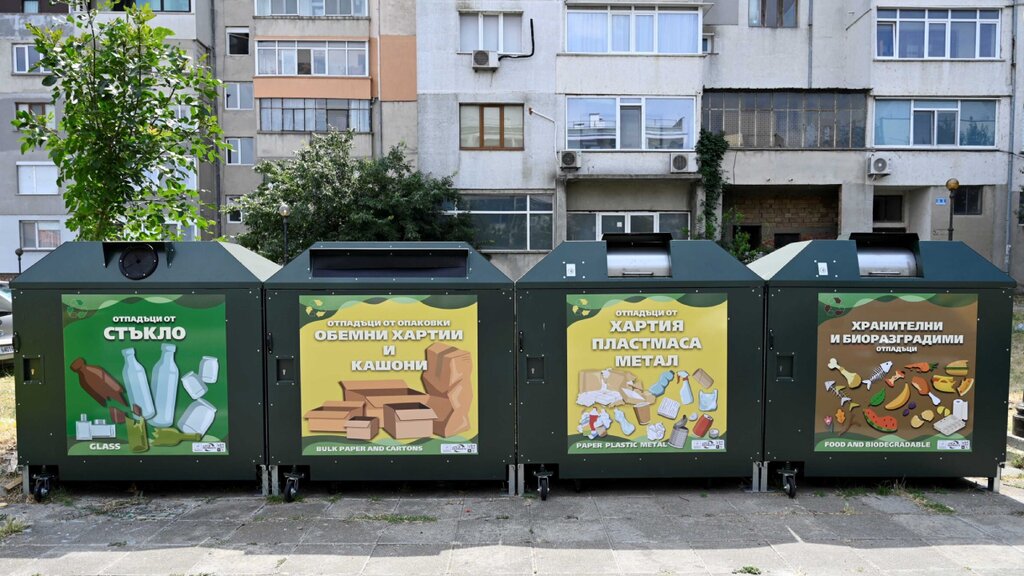
PHOTO BTA
“For every package placed on the market, producers pay a certain amount to the organizations that place the colored containers,” Zarichinova explains. “In practice, these organizations are not sufficiently motivated to collect recyclable waste and profit from it, because their revenue comes from another source - and this directly affects us, the citizens.”
As a result, not every area has colored recycling containers. Even in large cities there are neighborhoods without them. In smaller municipalities entire settlements may lack separate waste collection altogether. Seasonal tourist areas also face difficulties because during most of the year they cannot demonstrate high volumes of packaging waste. Consequently, these materials often end up in landfills - or worse, burned, dumped into rivers, or left along roadsides.
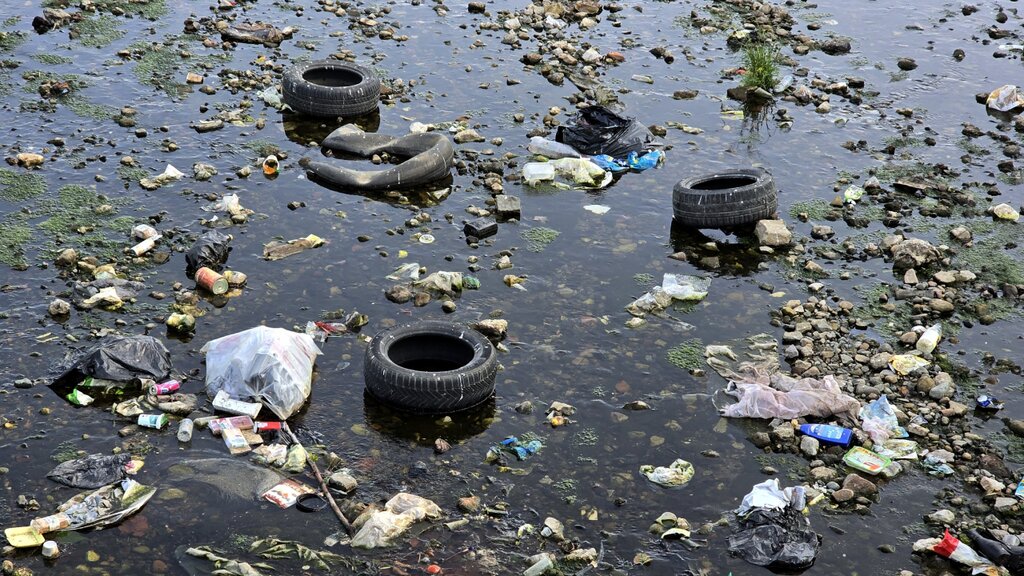
PHOTO BTA
According to Zarichinova, the organizations involved in recycling perform their work relatively effectively, but the state has failed to introduce the “polluter pays” principle, under which households and businesses pay based on the actual amount of waste they generate.
Data from Eurostat from 2016 show that 36.4% of waste in Bulgaria comes from construction, 25.3% from the mining industry, 10% from manufacturing, and 8.5% from households. However, there is still no differentiated system for calculating waste fees.
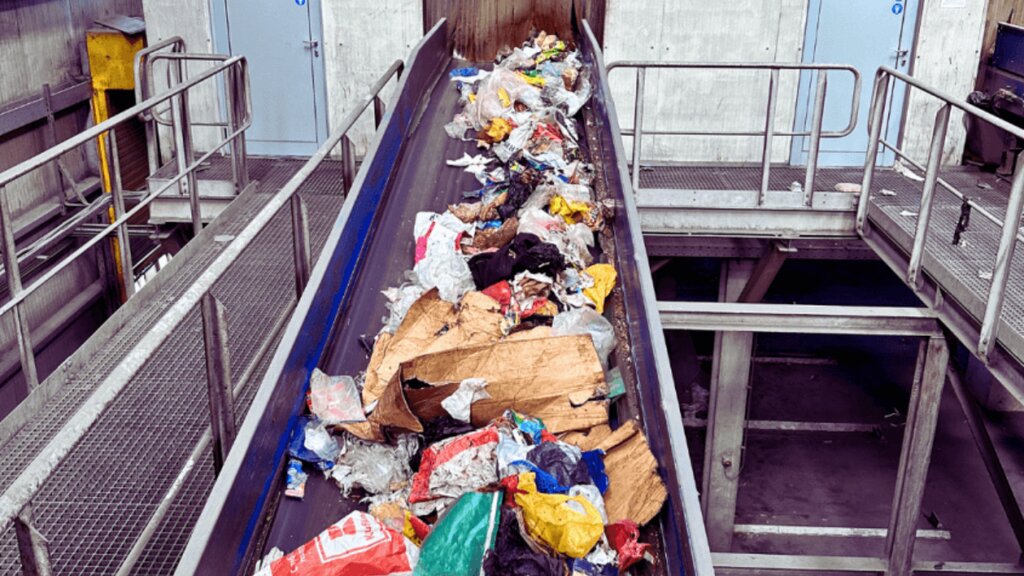
PHOTO zazemiata.org
“I have been working in the waste sector for more than 12 years,” the expert says. “Since I started, there has been talk about introducing a new waste fee, but it still hasn’t happened - again because of conflicting interests and insufficient motivation from institutions. If it were introduced properly, people would realize they could separate more waste for recycling, sort biodegradable waste for composting, and ultimately throw away much less. Right now, the municipal waste fee is based on the property’s tax value, which is absurd and has nothing to do with the amount of waste generated. A single person living in an expensive apartment pays more than a five-member family that might not separate its waste at all.”
Danita Zarichinova serves as an external expert to the relevant committee of the Sofia Municipal Council, dealing with waste management and pollution issues. She actively participates in campaigns against single-use plastics and promotes composting. She has also contributed to legislative changes requiring mandatory environmental assessments for every waste-incineration facility.For her active work in environmental protection, Zarichinova received the “Activist of the Year” award in 2020.
Edited by E. Karkalanova
English: R. Petkova