Radio Bulgaria


Author
Rositsa Petkova
News
Interview with H.E. Ms. Dai Qingli, Ambassador Extraordinary and Plenipotentiary of the People's Republic of China to Bulgaria
Bulgaria can play an important role in the connectivity between China and Europe
We are worried about the rising protectionist tendencies on the part of the EU, says the diplomat from the second most populous country in the world
Thursday 12 March 2026 21:15
Thursday, 12 March 2026, 21:15
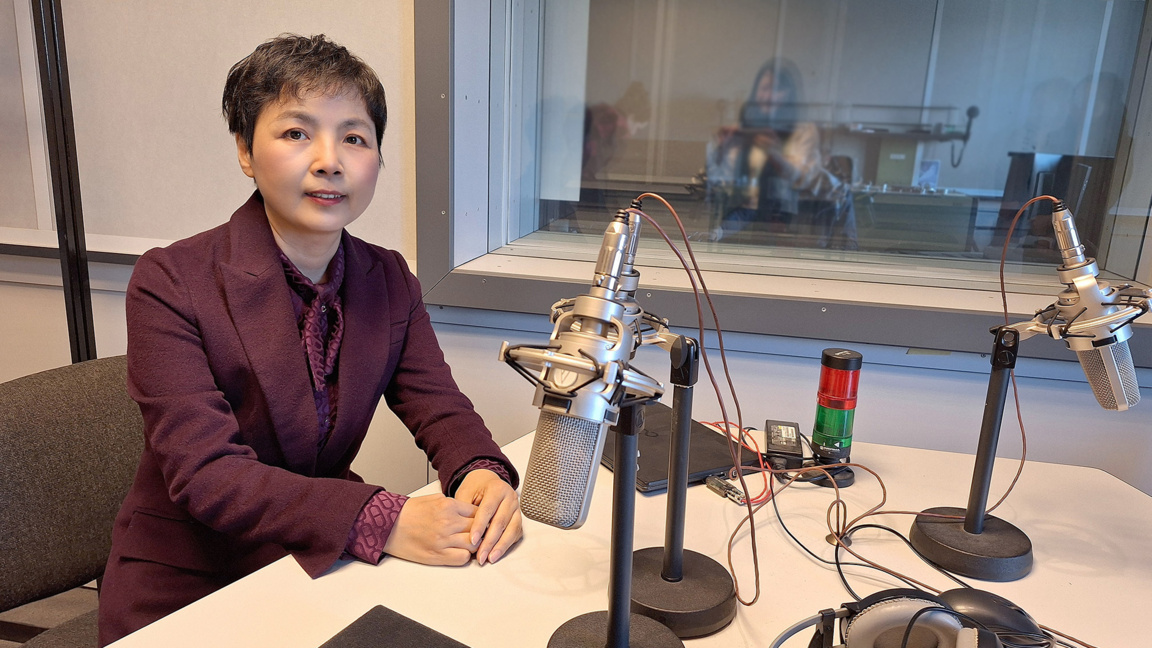
H.E. Dai Qingli in the studio of Radio Bulgaria, BNR
PHOTO Embassy of China in Bulgaria
Font size
The Chinese parliament opened its annual session on March 5 with the presentation of the government work report, which outlines the country’s economic priorities and strategic goals for the coming year. The report addresses key issues such as technological innovation, demographic changes, employment, and China’s role in an increasingly complex global context.
What do these priorities mean for China’s development and for its relations with Europe and countries such as Bulgaria? How might global crises, including the crisis in the Middle East, affect energy markets and international trade?
H.E. Dai Qingli, Ambassador Extraordinary and Plenipotentiary of the People’s Republic of China to Bulgaria, was a guest in the studio of Radio Bulgaria. Ambassador Dai Qingli has been carrying out her mission in Sofia since May 2024, becoming the 21st Chinese ambassador to Bulgaria and the first woman to hold this position.
At the beginning of the conversation, we take a look at the current parameters of the economic development of Asia’s industrial giant, which is at the start of its 15th Five-Year Development Plan, including ambitious goals in the economy, as well as in education, science, and a number of other fields.
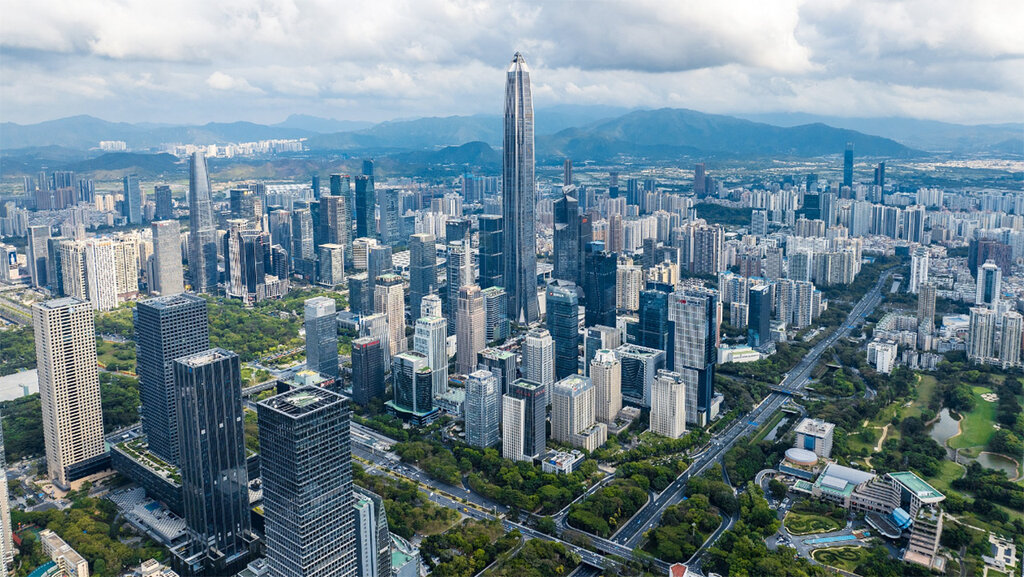
PHOTO Facebook/Embassy of China in Bulgaria
"For us, last year was not a particularly easy year, but we still achieved a 5% growth for our economy, which was much higher than the global average. So for this year, the Premier proposed between 4.5% and 5% of GDP growth rate, because we thought that is reasonable based on the internal and external situation for China.
Also, the important aspect for this year is that this is the beginning of our 15th five-year plan. We have fulfilled all the 14 five-year plans previously. This year, our 15th five-year plan lays out some very ambitious goals for China's development, both in economy and also in education, science, and in all areas", says Ambassador Qingli. "Our economy will continue to grow at a reasonable range, and our total spending in research and development will grow at an average annual rate of 7%. Also, China will continue to advance scientific innovation."
In her words, over the past five years China has seen enormous growth in the sectors of electric vehicles and renewable energy, with electric car production alone reaching 16 million units in 2025. Significant development is expected in renewable energy, artificial intelligence, 5G technologies, and telecommunications, all of which will be supported by investments in education.
The Asian economy reported a 5% reduction in carbon emissions per unit of GDP last year, and there is a clear commitment to maintaining a strong focus on climate issues and the fight against climate change.
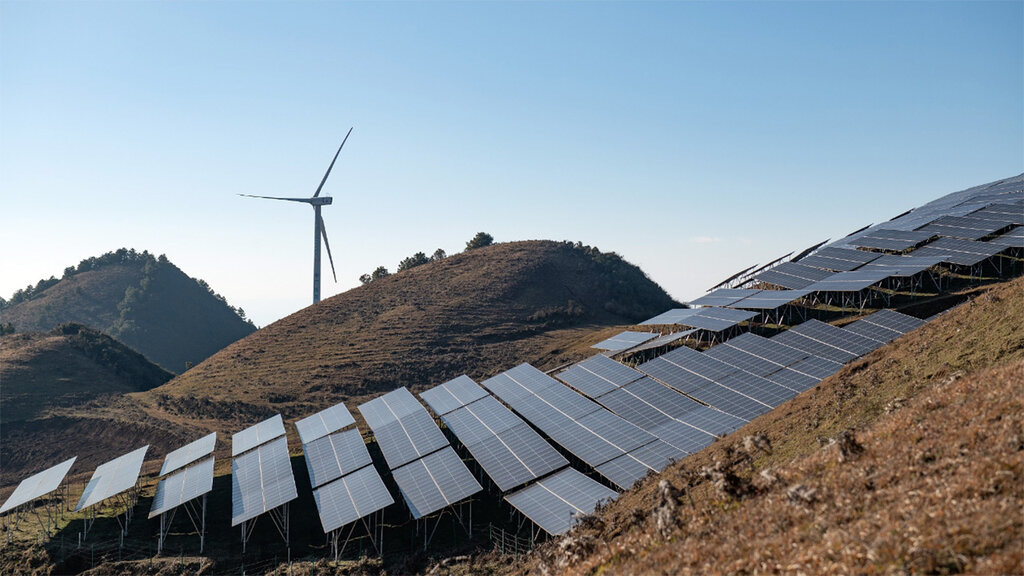
PHOTO Facebook/Embassy of China in Bulgaria
Although it is the second most populous country in the world (1.4 billion people), China is already facing demographic problems typical of much smaller European countries such as Bulgaria - an aging population and a declining birth rate. What policies are being planned to address these demographic trends?
"Nowadays China is confronted with a similar phenomenon as confronted by some other East Asian neighbours in terms of young people not wanting to get married. And if they do, they don't want to have children. But this is mainly because of the pressures of daily life, the pressures of employment, the pressure of the high cost of raising their children.
The government has tried all kinds of means, like prolonging the maternity leave and also giving cash rewards for families who are having a second child. Like every month they can receive 300 yuan for the second child. And now they are talking about something more. They are talking about more paid holidays and more incentives to encourage young people to have more children. Free in-vitro procedures were introduced two or three years ago. This was a very important step which has helped many families to have children."
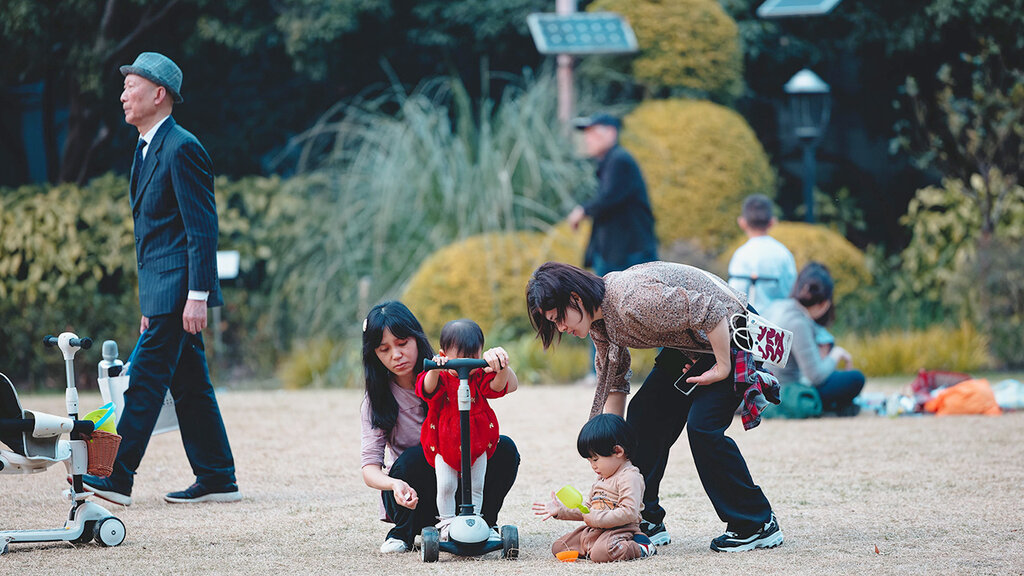
PHOTO BGNES
What about China's position in today's complex geopolitical environment outlined in the report? How does China define its role in maintaining international stability?
"Our position is very clear on the developments in the Middle East. We are very worried not just about the human toll, which was terrible, and about the economic consequences. We have already seen skyrocketing oil prices, and you know, China is very dependent on imports of oil.
But much more than that, we have already started to witness even greater consequences for the international order that was established after the Second World War. I remember earlier this year in Munich Security Conference the Europeans expressed worries about the international order they used under destruction. But with Iran, I think, this destruction has continued to worsen because we saw a situation where might is made into right and the world seems to be retreating back into the law of the jungle.
For China, of course, we will try to help mediate the situation. We will be sending our Middle East envoy to the region shortly to start a new round of diplomatic talks. Our Foreign Minister Wang Yi had the phone conversations with eight foreign ministers in the region and in Europe. I think it's very important to give diplomacy a chance. Because diplomacy works slowly, but surely. While the use of force, while it may look like a quick fix, yet it always creates more problems than it can ever resolve."
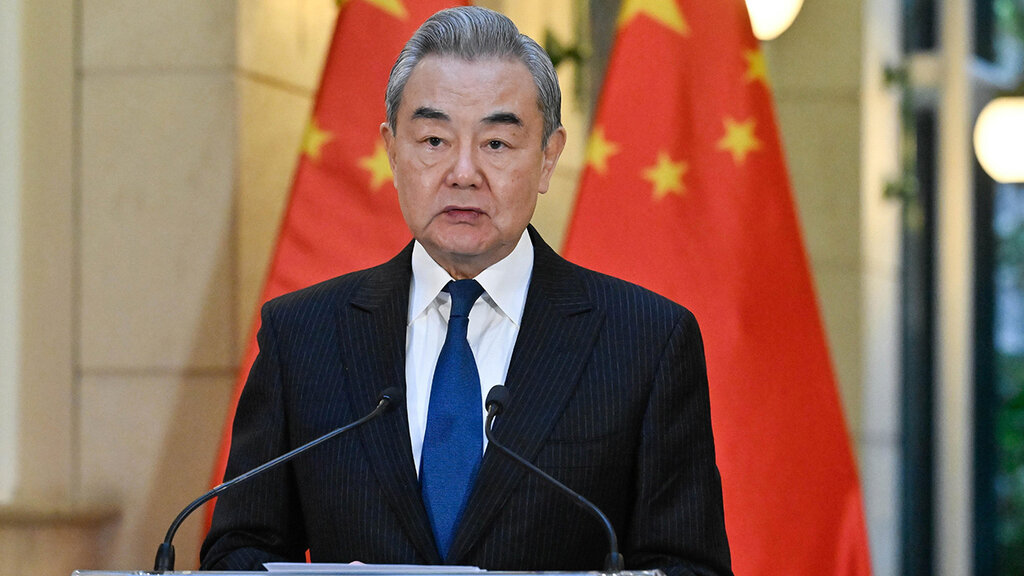
China's Minister of Foreign Affairs Wang Yi
PHOTO BGNES
Could instability in the Middle East affect the global shipping routes and the delivery of Chinese goods to Europe?
"I think this kind of situation will affect everyone, but for China, 13% of our oil is from Iran. Also a lot of our oil supplies are from other Gulf countries, which have to go through the Hormuz Strait.
We made it clear to Iran and to the regional countries that we hope the strait will be kept open and smooth for international shipping and energy trade. So we will see how the closure of the strait will further impact the oil and energy situation. But China will have to actively cope with the situation."
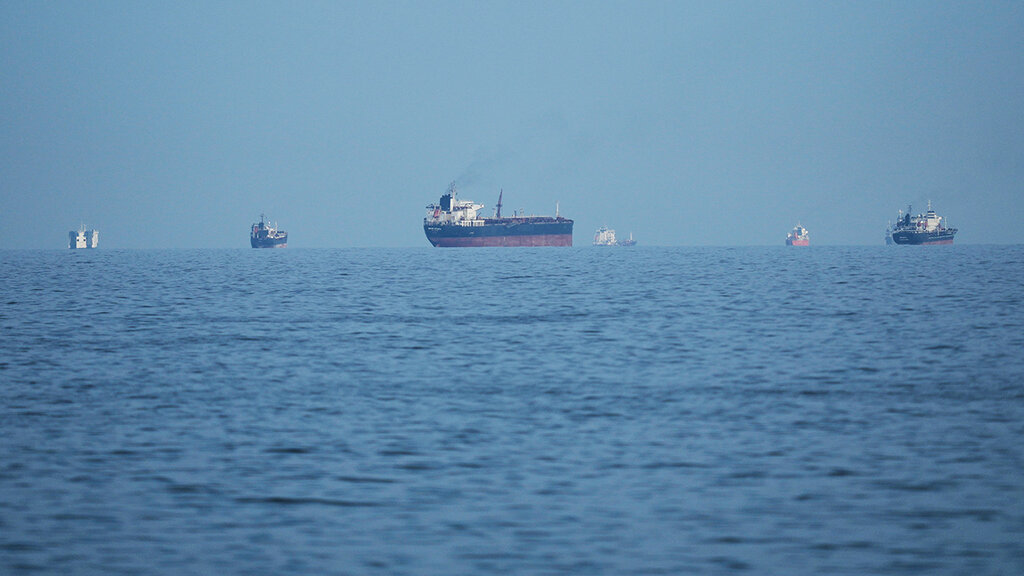
Ships in the area of the Strait of Hormuz, March 11, 2026
PHOTO AP/BTA
The whole world is expecting the visit of US President Donald Trump to China at the end of this month. What are your expectations?
"This will be a very important summit meeting held between the two countries. This is one of the most consequential relationships that will, in some sense, define the 21st century.
For China, we have never thought about taking over global leadership from the US. What we have been focusing on is to deliver a better life for our 1.4 billion people. We have told the US many times that we have no ambition to supplant the US from the Asia-Pacific, replace the US hegemony in the region. But obviously, for the US, they have seen the rise of China from a very negative standpoint.
We believe the communication is of utmost importance to avoid misunderstanding and to increase cooperation between the two parties, which is critical for the whole world.
There are so many things the two leaders will have to discuss, I'm sure. For example, the trade tariffs, which is impacting the whole world, They will, of course, discuss this and try to take forward the trade negotiations. Before the two leaders meet, there will be the trade team who will meet in Europe to work out further details.
Also, I'm sure that Taiwan will be high on the agenda for the Chinese side. We have to encourage the US to rein in their support for separatist forces in Taiwan, because otherwise it could be a very dangerous situation in the Taiwan Straits."
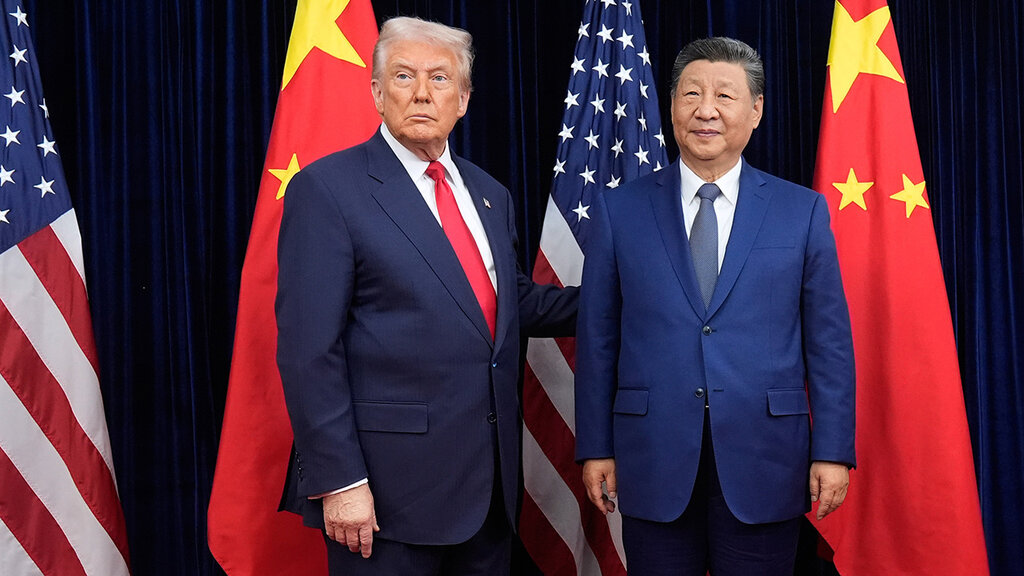
Donald Trump, President of the United States, and Xi Jinping, President of the People’s Republic of China, before their summit at Gimhae International Airport in Busan, South Korea, October 30, 2025
PHOTO AP/BTA
Do you expect that the crisis in the Middle East will be resolved by the Trump-Xi summit?
"It's very hard to say. You know, even if you look at what the US administration is talking about, they are not giving a clear timetable as to when the conflict is going to end. So we have to watch carefully. But it's very, very hard to tell. It's in the hands of the US, obviously."
How do you see economic and trade relations between China and Europe evolving in the current global environment?
"This is a very important partnership between China and the European Union. The European Union is our leading trading partner and our major partner for China's modernization. We have always approached our relationship with the EU from a long-term and a strategic perspective. And China is one of the few major countries in the world who openly supports EU integration and the strategic autonomy for the European Union. And we have great hopes in our trade and economic relationship.
We have such strong ties with the EU, not just the leading countries, but also with all other countries. Even in Central and Eastern Europe, we place a lot of priority on our economic relationship.
Foreign Minister Wang Yi just said a couple of days ago that our trade with the EU, both in goods and in services, has reached trillion US dollars a year. Can you imagine how much trade we are doing with each other? So this is a relationship that involves very high stakes if it goes badly for the two sides."
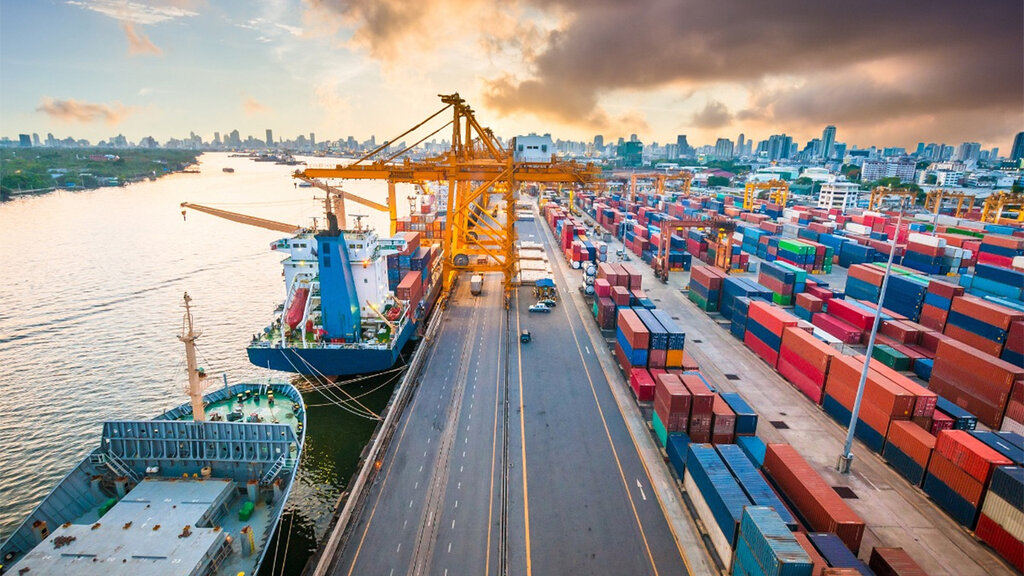
PHOTO Facebook/Embassy of China in Bulgaria
But I have to say that we are worried about the rising protectionist tendencies on the part of the EU. Of course, we support their autonomy. Also in the economic sphere, if they want to de-risk, that is their decision. But when the de-risking is targeted at China in many areas, we start to get worried. For example, they not just put anti-subsidy tariffs on our electrical vehicles, but fortunately that part is being dealt with. Some progress was made on that front.
But recently, they also unveiled a couple of legislations by the European Commission - the Industry Accelerator Act, the Cyber Security Act Amendment. And these would put a lot of restraints and mandatory requirements on Chinese investment in the region and also on cooperation with Chinese suppliers, not just in telecom, but also in the range of 18 critical sectors, including a lot of things, not just 5G, but semiconductors, automated driving and renewable energy.
So we see this as a very serious development. Our Ministry of Commerce has made clear its position on this. And we would like to continue to engage with the EU on such dialogue and try to let them know de-risking involves risks, and not cooperating is the biggest risk of all. So we would like to have more dialogue and genuine dialogue with the EU."
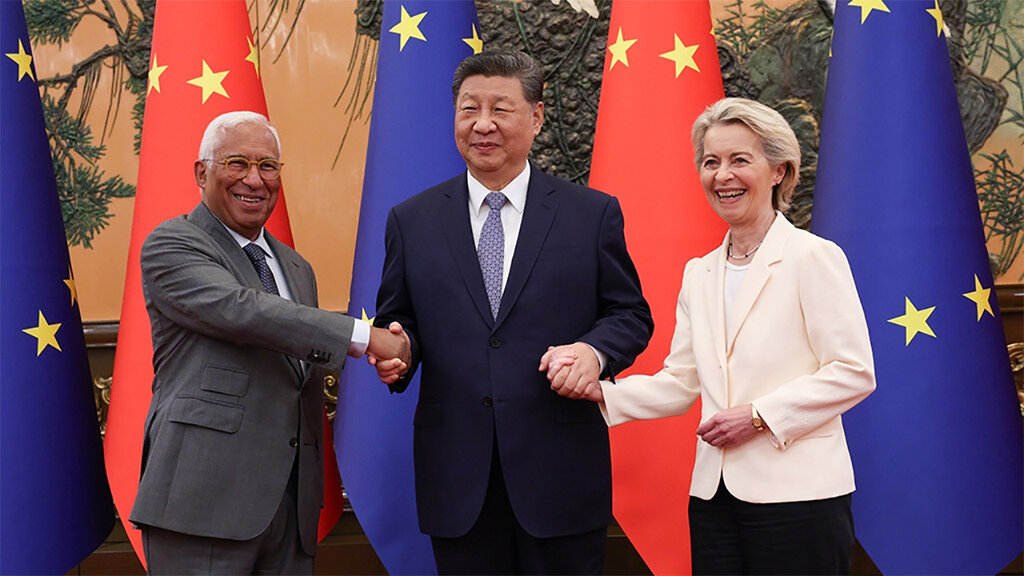
António Costa, President of the European Council, Xi Jinping, President of the People’s Republic of China, and Ursula von der Leyen, President of the European Commission, at the EU–China Summit, July 24, 2025
PHOTO consilium.europa.eu
How would you describe the current level of economic cooperation between China and Bulgaria? Which sectors in Bulgaria currently attract the most interest from Chinese investors?
"Bulgaria was the 2nd country in the world to recognize new China. So Bulgaria always occupies a special place, not just in our foreign policy, but also in our minds, in our hearts. We cherish this traditional friendship.
But what we have seen in the past few years is that our traditional friendship has not been fully converted into concrete results of cooperation compared with neighbouring countries of Bulgaria and also fellow EU members. China's cooperation with Bulgaria has lagged behind in a lot of different sectors.
So of course, we are interested in many different areas. We had some Chinese companies investing in agriculture in your country, in car parts manufacturing, in renewable solar energy power generation, and also in manufacturing. They are having good cooperation with the Bulgarian partners. But the question is, we could have had many more such good projects for cooperation. So we have to explore the different possibilities."
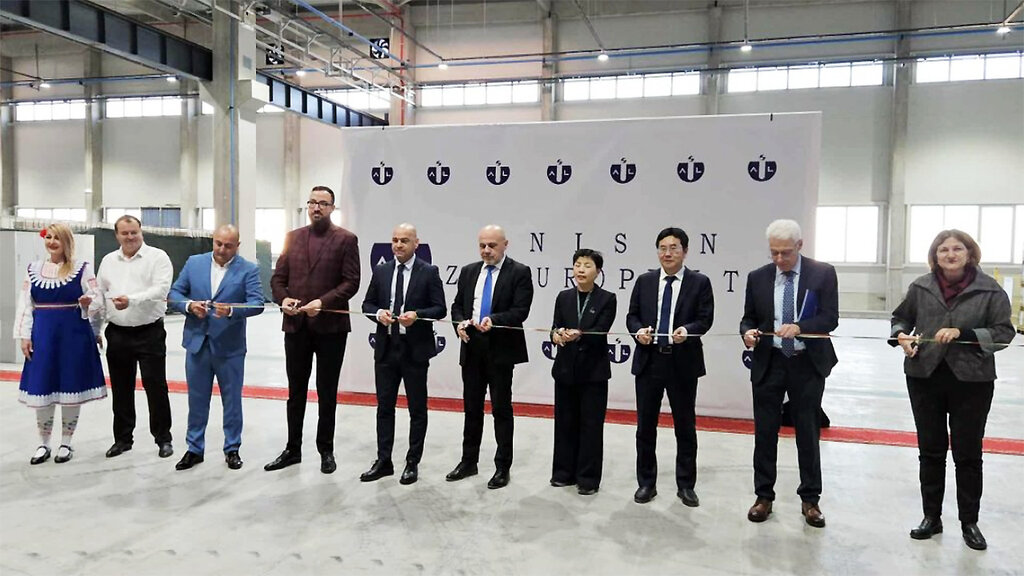
Official opening of the high-tech automotive parts plant of the Chinese group ZS Europe Ltd near Plovdiv in October 2025
PHOTO investbg.government.bg
"We welcome more imports from Bulgaria of your agricultural products. You have wonderful wines, you have rose products, of course, and you have a lot of other agricultural goods that are very suitable for the Chinese market. We are pushing ahead the import procedures for Bulgaria.
Also in Bulgaria, there is the connectivity possibility via your ports, your railway, they’re better connecting China to Europe. But so far you haven't really leveraged your strategic position vis-a-vis China. We would like to explore a bit more on this.
Also the Bulgarian government and companies welcome Chinese investment. That is wonderful. But we need more dialogue going on to discuss what exactly should be the investment that needs to come into Bulgaria. We need still a lot more dialogue. And we are looking forward to engaging with your government, the current caretaker government, and the next government to discuss these things and to hopefully take forward some concrete cooperation."
Are there plans for cooperation between China and Bulgaria in the field of artificial intelligence and high technologies? You're probably aware of Bulgaria’s Institute for Computer Science, Artificial Intelligence and Technology (INSAIT).
"I was amazed to find more than 10 Chinese researchers and students at Insight. This already shows our deepening cooperation. The director of Insight showed us a graphic, showing all the Chinese universities they are working with. It's a lot of universities, around 15 to 20 universities they are working with.
I think there is a big potential in not just artificial intelligence where Bulgaria is really leading in the Central and Eastern European region, but also in other possible high-tech areas. We are looking at this closely and we are encouraging the Chinese companies to come to Bulgaria. Actually, every year more than 200 Chinese companies come. But what our challenge now is to really turn potentials and possibilities into reality. There is still some way to go in this area."
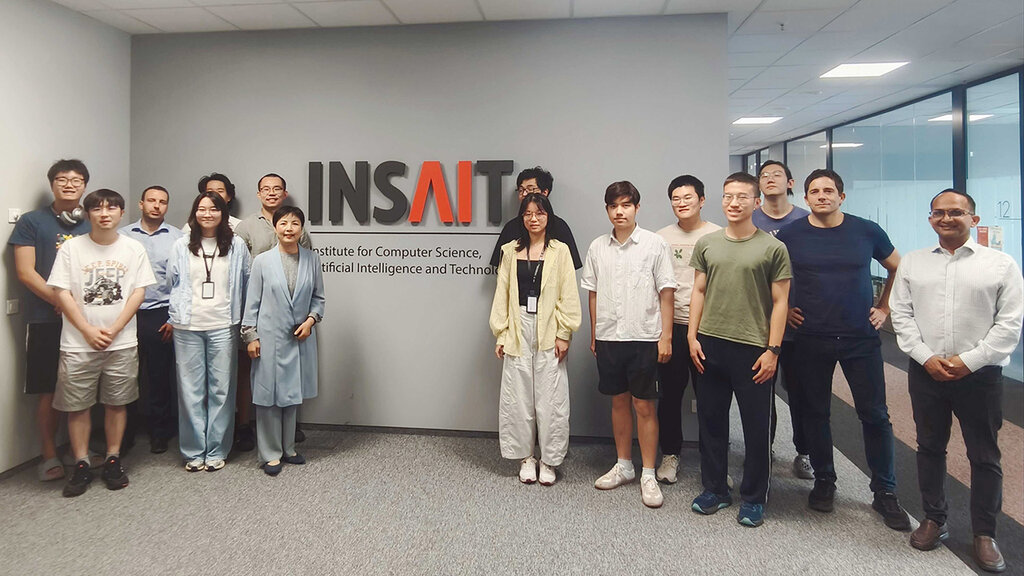
H.E. Dai Qingli with Chinese students and researchers at the Bulgarian Institute for Computer Science, Artificial Intelligence and Technology (INSAIT) and its director Martin Vechev
PHOTO bg.china-embassy.gov.cn
Chinese language and culture is offered as a subject in several Bulgarian universities. Also, Chinese language courses are appearing in Bulgarian schools. Is interest in learning Chinese growing among young people in Bulgaria
"Yes, absolutely. I think the young generation in Bulgaria are showing a much greater interest in what is happening in China because they want to find out what is really going on in China. We have seen many schools and many parents coming to us and saying they would like to have Chinese teaching in their schools.
We have two Confucius Institutes in Bulgaria – in Sofia and Veliko Tarnovo. They are doing a wonderful job. And now they are reaching out to up to 100 different schools to offer Chinese courses.
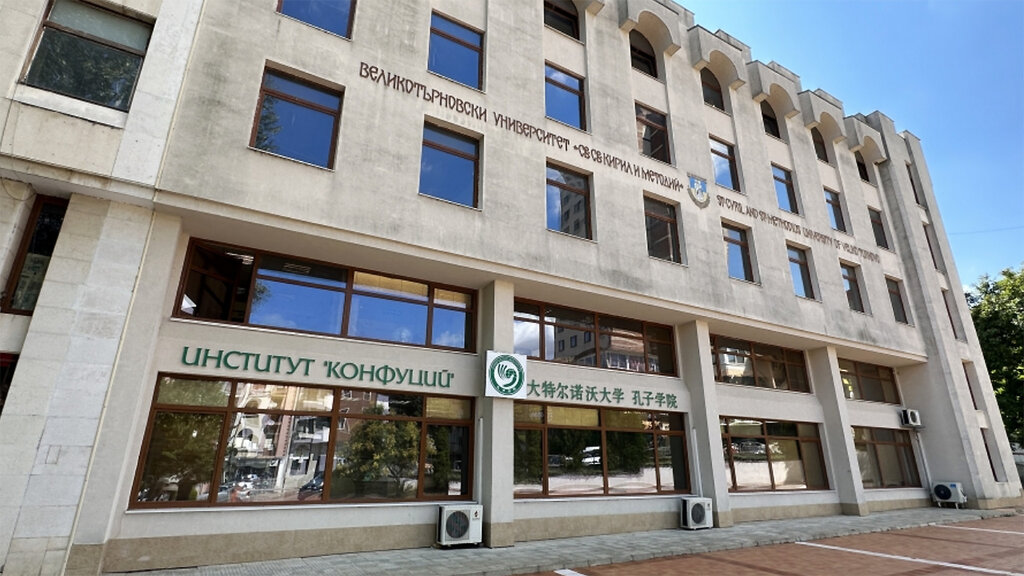
The Confucius Institute at Sts. Cyril and Methodius University of Veliko Tarnovo
PHOTO confuciusinstitute-velikoturnovo.bg
Every year there is a competition going on and the students are very actively participating. We are really happy about this growing trend. I've asked my colleagues to bring in more Chinese teachers to Bulgaria if possible, so that they can have more Chinese learning in more cities and more schools.
We are also happy about the exchanges in higher education. We have lots of university-to university relationships. We even have a joint campus between Chinese universities and Bulgarian universities. We are encouraging such initiatives.
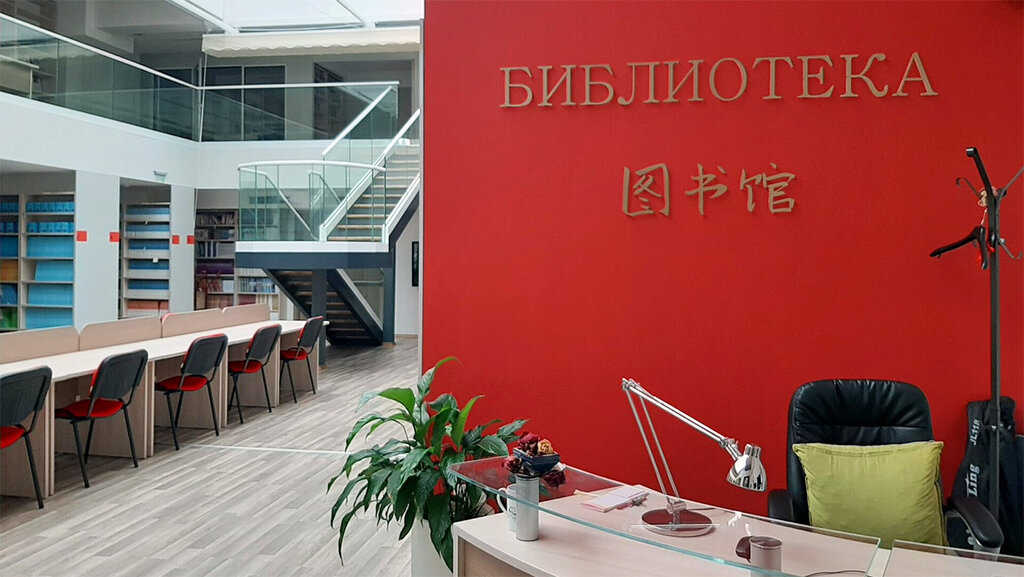
The library of the Confucius Institute in Sofia
PHOTO confuciusinstitute.bg
I remember last year we had a group of 29 leading administrators from Chinese universities, like rectors, deputy rectors, visiting Bulgaria to have an education forum. This year we are preparing a higher education roadshow in Bulgaria to introduce what we can offer in higher education.
We do have scholarships available at the Chinese Embassy in Bulgaria, and we hope young people will actively apply to study in China. Also there are some universities offering Chinese courses, we very much encourage that, and we will be happy to support wherever we can."
Cultural exchange is an important bridge between our two countries. Many Bulgarians joined events related to the welcoming of the Chinese New Year. Should we expect the traditional Dragon Boat Festival celebration again this year? It was in Ruse on the Danube in 2025.
"That's right. And in 2024 it was in Sofia, at Pancharеvo lake, and that was hugely successful.
Actually, this year we are talking with two or three different cities to see who would be ready and willing to support us in this endeavour. Because what I discovered when I go around visiting these Bulgarian cities is that, many of them have a full cultural calendar. Every year they're holding different types of events, which are very enthusiastically attended by the locals."

The Dragon Boat Festival in Ruse in 2025
PHOTO Facebook/DragonBoatFestivalBG
I think the Dragon Boat Festival is one of the popular events that are really attractive to the people. So I really encourage Bulgarian municipalities to embrace this festival. We would like to encourage Bulgarian people to really adopt this sport.
This is a global sport now, not just a Chinese recreational activity. It has been spread to all parts of the world. So we are very thankful to Ruse and to Sofia municipalities for their support. We are looking forward to working with more municipalities."
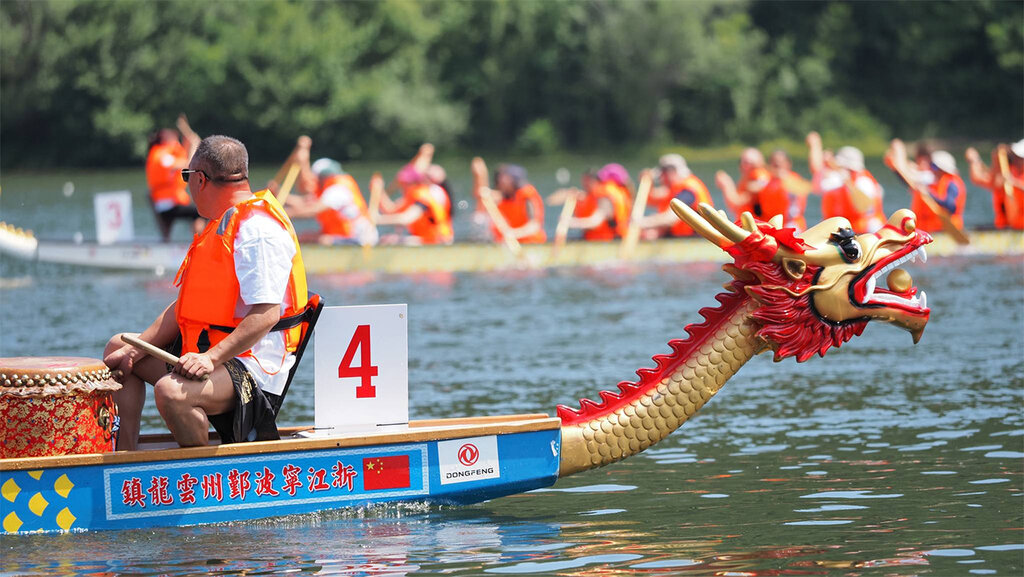
PHOTO Facebook/DragonBoatFestivalBG
What other cultural initiatives or events are planned to promote Chinese culture in Bulgaria this year, apart from the Dragon Boat Festival?
"The Chinese cultural centre in Sofia organizes at least 200 activities a year. But some are small, some are bigger. And also our two Confucius Institutes are also having a lot of activities.
We just had a wonderful Peking Opera show in Sofia in February. That was tremendously successful. And we will have Chinese opera singers singing Turandot here in Bulgaria in June.
We will have the Asian festival in June too, led by the Indonesian embassy here in Bulgaria, but of course, we will be part of this Asian festival.
Also we are planning some other cultural events and also tourism exchanges, because we have 30-day visa free for Bulgarians, ordinary passport holders. We would like to encourage more Bulgarians to visit China as tourists.
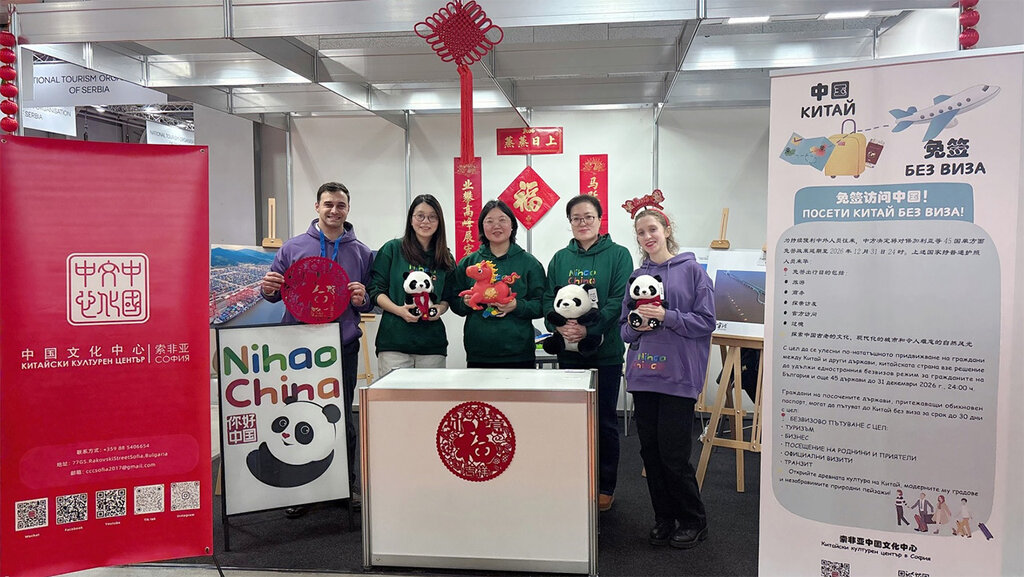
PHOTO Facebook/China Cultural Center in Sofia
Also, more importantly, we would like to have Chinese coming to Bulgaria, to look at your beautiful country. So, there are lots of things on our calendar this year", says Ambassador Qingli.
Read also:
H.E. Ms. Dai Qingli: Bulgaria and China have practical cooperation which we are hoping to deepen
Photos:
Embassy of China in Bulgaria, Facebook/Embassy of China in Bulgaria, BGNES, AP/BTA, consilium.europa.eu, investbg.government.bg, confuciusinstitute-velikoturnovo.bg, confuciusinstitute.bg, Facebook/DragonBoatFestivalBG, Facebook/China Cultural Center in Sofia
This publication was created by: Rositsa Petkova
- #H.E. Ms. Dai Qingli
- #Dai Qingli
- #China
- #China Bulgaria relations
- #China EU relations
- #HE Dai Qingli
- #Chinese ambassador to Bulgaria
- #Chinese embassy in Sofia
- #China Foreign Minister Wang Yi
- #China Bulgaria investments
- #China Middle East conflict
- #Chinese investment in Bulgaria
- #INSAIT institute Chinese researchers
- #Ambassador of the People's Republic of China to Bulgaria
- #Bulgaria exports China
- #Iran Middle East Stait of Hormuz
- #fuel prices Middle East conflict