Radio Bulgaria


Author
Tsvetana Toncheva
News
Pancho Vladigerov up close
Nadya Sotirova, creator and long-time director of the House Museum "Pancho Vladigerov" in Sofia, talks about the great Bulgarian composer
Friday 13 March 2026 16:14
Friday, 13 March 2026, 16:14
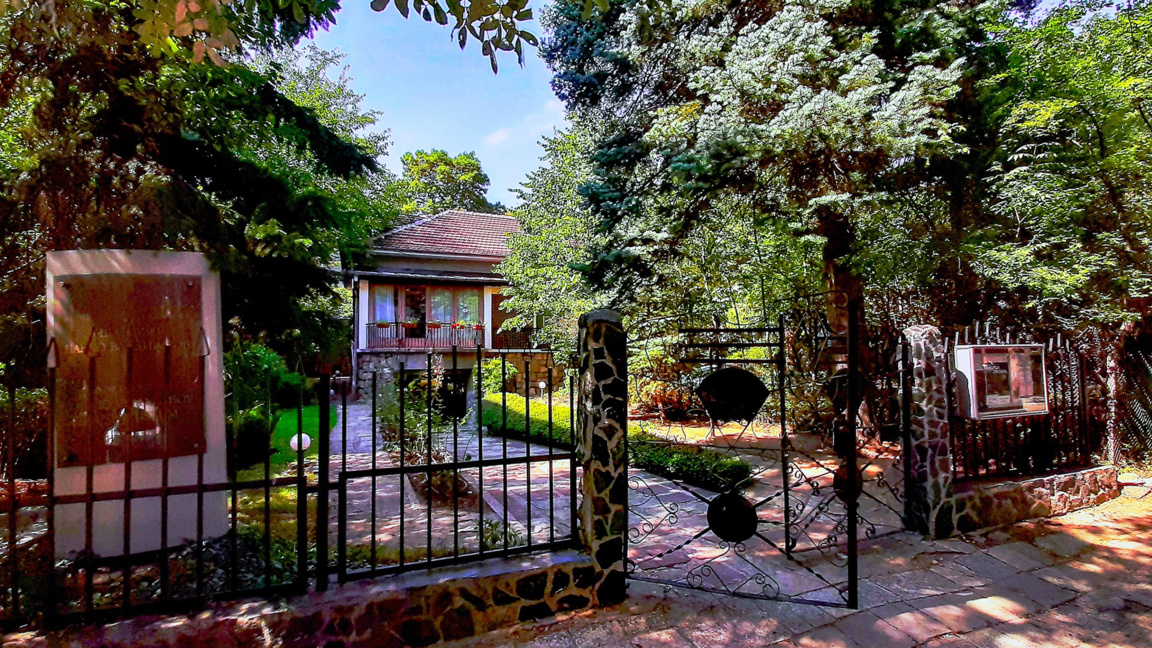
PHOTO Facebook/vladigerov.org
Font size
On March 13, 1899, the composer Pancho Vladigerov was born – a person with an invaluable contribution to Bulgarian culture. His works are comparable to the greatest achievements in classical music. The date is an occasion to remember the great artist together with Nadya Sotirova - a prominent Bulgarian musicologist and cultural figure, creator and director for two decades of the State Cultural Institute House Museum "Pancho Vladigerov", located in the composer's home on Yakubitsa Street in Sofia’s Lozenets.
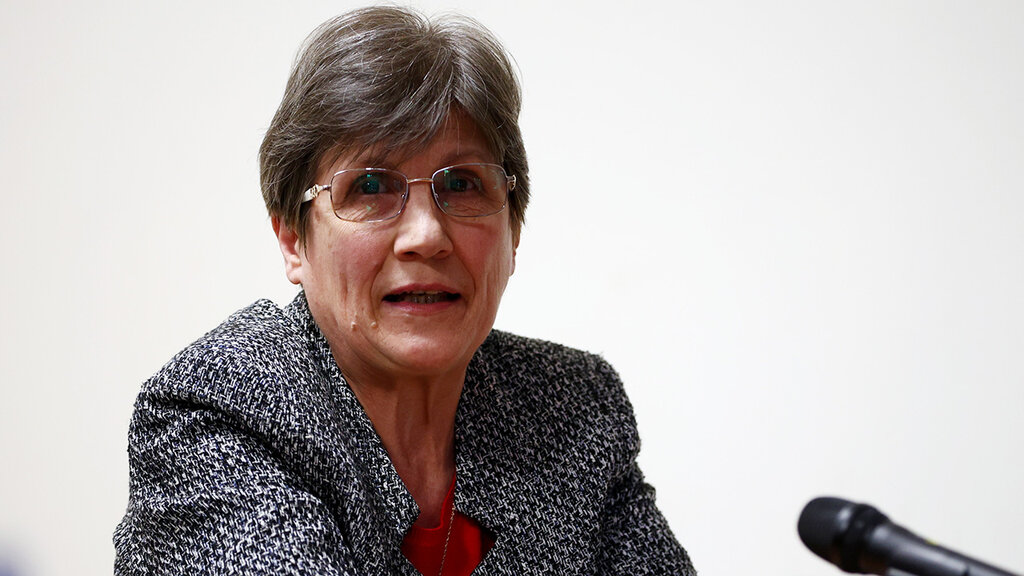
Nadya Sotirova
PHOTO BTA
Sotirova is grateful for the exceptional opportunity to know Pancho Vladigerov's second wife - Elka, who donated her share of the house with the wish that it becomes a museum. "My daily communication with her gave me the opportunity to really get to know him purely as a person. His favourite activities outside of his work... Walks in nature, activities with pets, despite the strict work routine that he had.
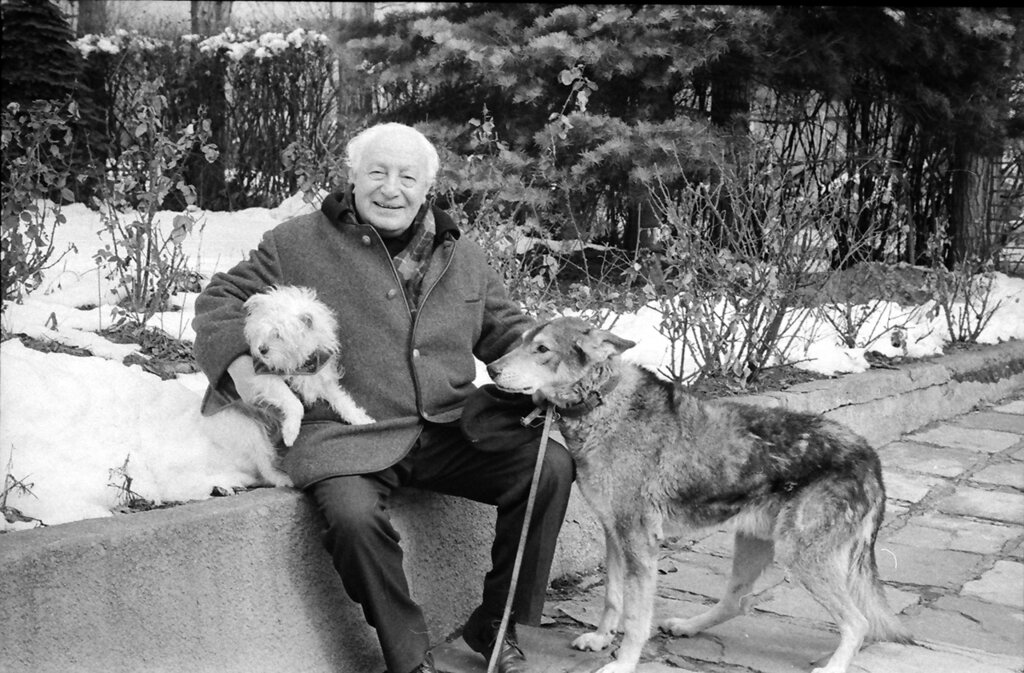
PHOTO House Museum "Pancho Vladigerov"
Elka was a person who knew how to create cosiness, as she was an exceptional housewife and culinary master. Undoubtedly, he appreciated this very highly. He addressed her as "Mother" - this is an ancient Bulgarian tradition for a husband to address his wife in this way. Even though she was much younger than him, he infinitely valued her as his companion.
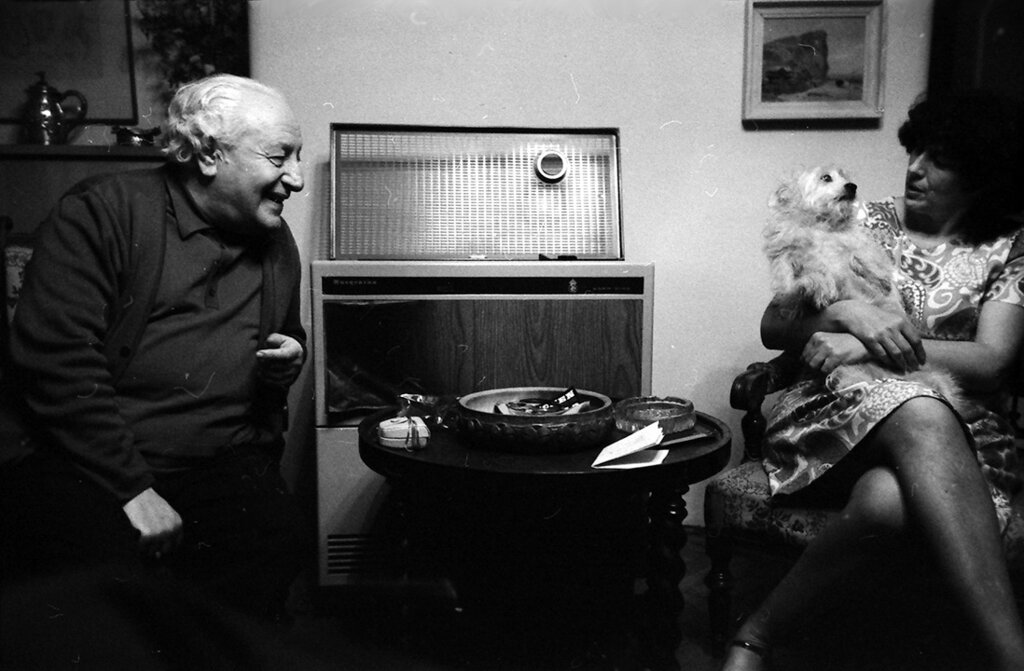
PHOTO House Museum "Pancho Vladigerov"
Nadya Sotirova speaks in captivating way about the family of Elka and Pancho Vladigerov. Every great musician – conductor, instrumentalist or composer, who visited Sofia in the 1960s and 1970s, was welcomed into this home. These were celebrities such as Dmitri Shostakovich, Sviatoslav Richter, Leonid Kogan, David Oistrakh, Yevgeny Svetlanov, Dinu Lipatti, Emil Gilels , Emil Chakarov, Mincho Minchev, Raina Kabaivanska, Anna Tomova-Sintova.
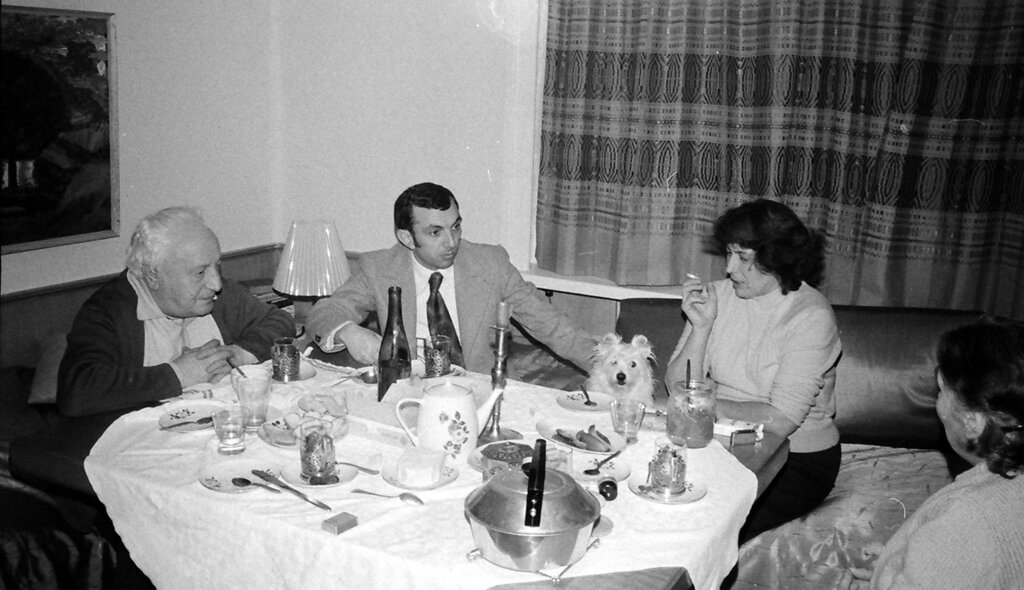
PHOTO House Museum "Pancho Vladigerov"
We
also talk about the terrible years of the Holocaust, World War II.
The
composer
obviously felt threatened because of his Jewish origin, and then, in
1944, another regime came to power in Bulgaria:
"First of all,
I must emphasize that Vladigerov bore an exceptional burden from the
facts surrounding the fate of his father – Haralan Vladigerov.
Haralan Vladigerov was a lawyer, prosecutor, and for a short time a
diplomat at the Bulgarian embassy in Bucharest. A man involved in
politics, he was also MP in the National Assembly for a year. This is
the reason why he was interned after the Stambolov regime from Shumen
to Vidin. It is assumed that he was mistreated there in some way,
because he had tuberculosis and died at the age of 41 in Vidin in
1908. At that time, his children were just 9 years old. Eliza
Pasternak-Vladigerova was left alone with her sons and took care of
their upbringing and education. I assume that this is the reason that
forced Vladigerov to be extremely distant from politics and from
political battles.
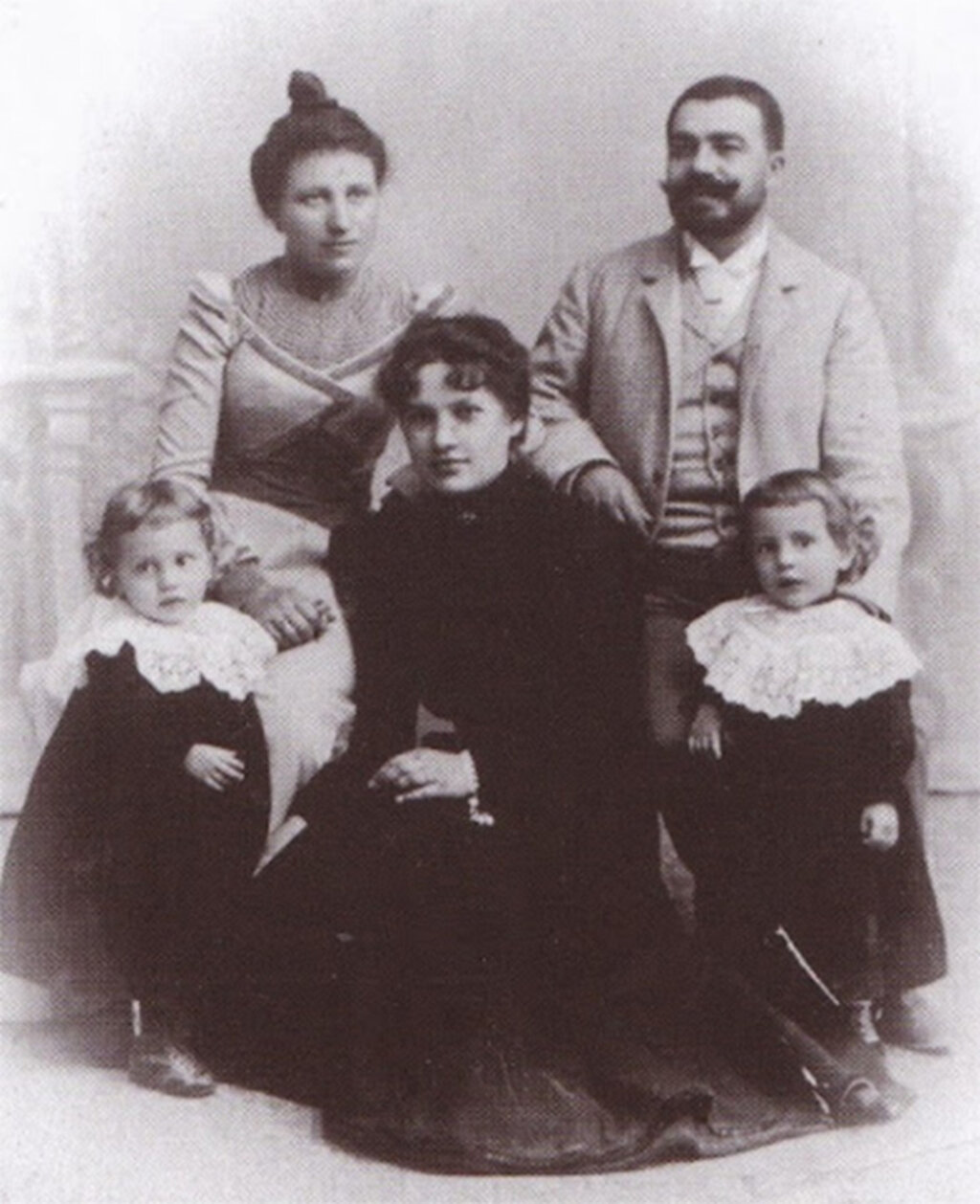
PHOTO State Archive - Shumen
By 1945-46, he was already very highly appreciated at international level. By then, he had twice won the Mendelssohn Prize of the University of Berlin and was the only representative of Bulgaria in the Permanent Council for International Cooperation of Composers, chaired by Richard Strauss, in the period 1936-1942. He was invited to the most famous European stages both until 1944 and after that, despite the Iron Curtain.”
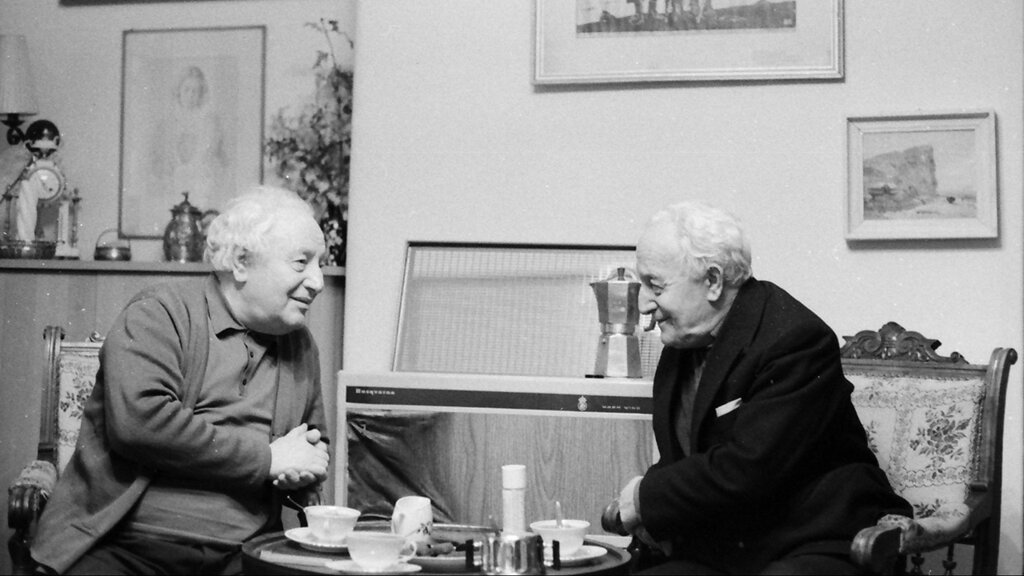
Pancho Vladigerov and Lyuben Vladigerov
PHOTO House Museum "Pancho Vladigerov"
Nadya Sotirova told us about Pancho Vladigerov's creative pursuits
and his compositional principles, as well as his way of working as a
teacher, who wanted his students to have exceptional skills in order
to develop invention and interpretation.
"Of
course, there were years when he was perhaps pressured by some
conjuncture, but that did not prevent him, when in 1946 he received
the title of ‘People's
Artist’,
from saying: ‘Well, until now I was an international artists,
now I have become people’s
artist.'
He
did not have
fear of the consequences that such a statement could bring. He simply
knew his worth. He had the self-confidence of a person who was
already highly valued throughout Europe and I think he did not have
such serious concerns. Most of his colleagues felt awe and respect -
that's what I think. Maybe there was also envy. He was always very
distant, always very absorbed in his work. He did not chase
positions. Simply a person completely devoted to his work, to his
teaching activities and perhaps that is why he created such an
impressive, truly respectful school for
composers. All his students are big names in our musical culture and
they all say that becoming a student of Vladigerov was already a very
high honour."
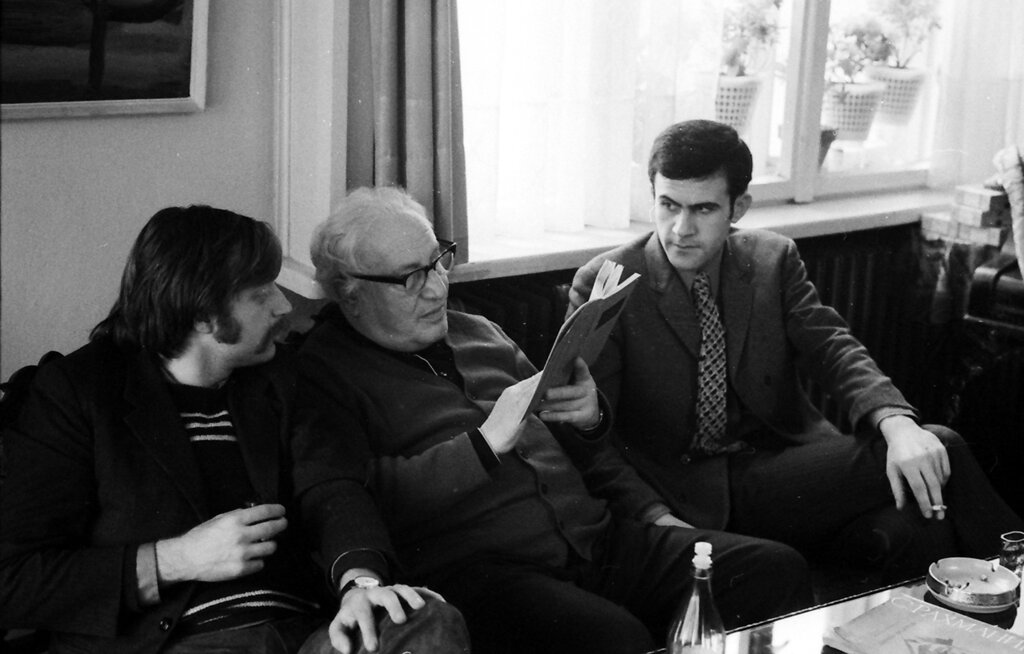
Pancho Vladigerov with pianist Ivan Drenikov (left) and violinist Mincho Minchev
PHOTO House Museum "Pancho Vladigerov"
This publication was created by: Alexander Markov