


Saturday 9 May 2026 07:05
Saturday, 9 May 2026, 07:05
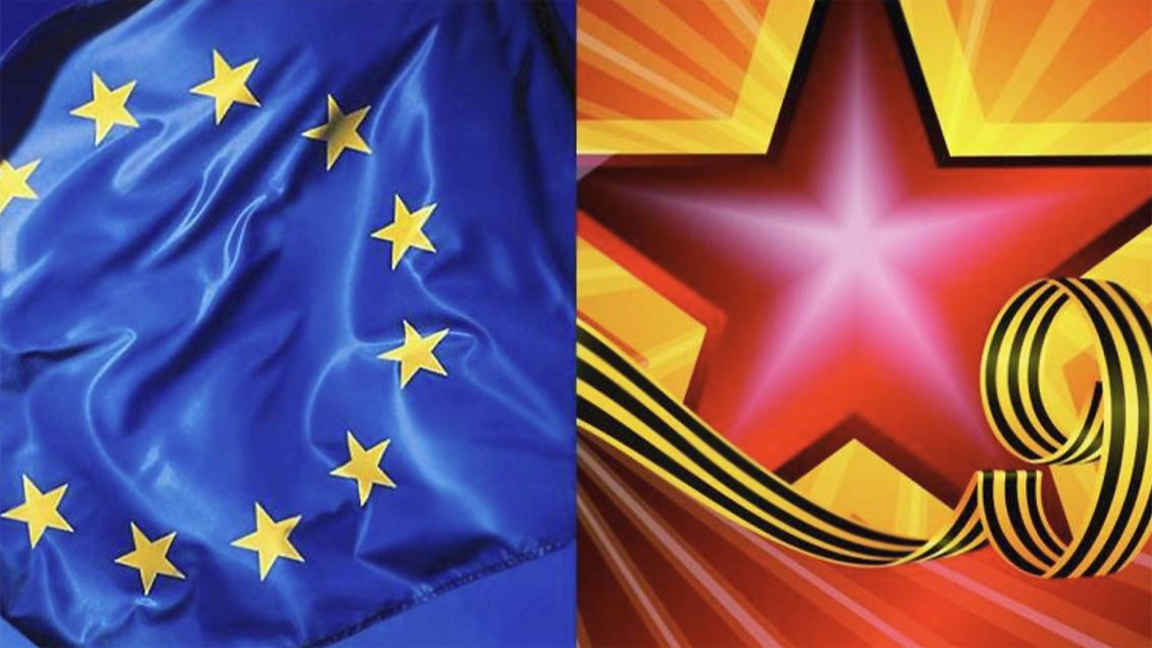
PHOTO otizvora.com
Font size
On May 9, Bulgaria marks both Europe Day and Victory Day, commemorating the end of World War Two in Europe, making the date one of particular historical significance in the country. The dual significance of the date continues to shape how Bulgarians remember and observe the day.
On May 9, 1945, Nazi Germany’s surrender came into force, bringing the war in Europe to an end. In Bulgaria, this date was officially designated as Victory Day and, during the socialist era, it became one of the country's most significant state holidays. It was celebrated with military ceremonies, parades, and wreath-laying events. Photographs and documents from those commemorations, preserved by the State Archives Agency, capture how generations of Bulgarians marked the occasion throughout the second half of the 20th century.
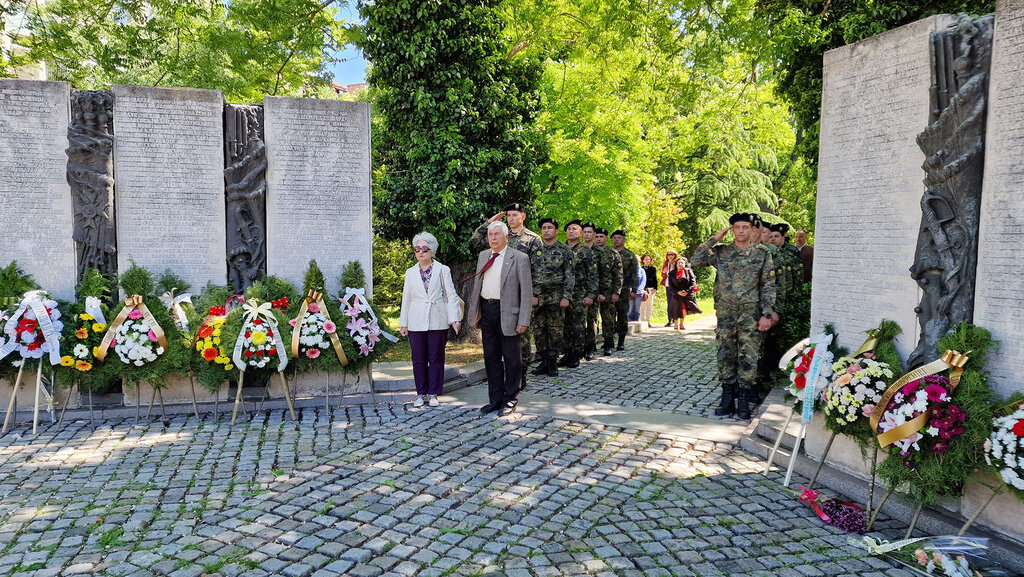
PHOTO BTA
The date took on a new meaning after 1950, when French Foreign Minister Robert Schuman presented the declaration that laid the foundations of European integration. After Bulgaria joined the European Union in 2007, Europe Day became increasingly visible in public life. Concerts, exhibitions, educational events and public discussions are now held in Sofia and cities across the country to celebrate Europe’s cultural diversity and the idea of a united continent.
At the same time, remembrance of the victims of World War Two remains at the heart of May 9 for many Bulgarians. Veterans, civic organisations and ordinary citizens continue to lay flowers at war memorials and military monuments nationwide.
For Bulgaria, 9 May remains a day shaped by memory and identity — a time to reflect on the cost of war while embracing the vision of a united Europe.
Text by Elena Karkalanova
Edited by Desislava Semkovska
This publication was created by: Elizabeth Radkova