


News
La Croix: Plovdiv symbolises the return of Bulgarian talent
French newspaper says Bulgaria recorded more returning citizens than departures in 2025 after decades of emigration
Monday 11 May 2026 16:42
Monday, 11 May 2026, 16:42
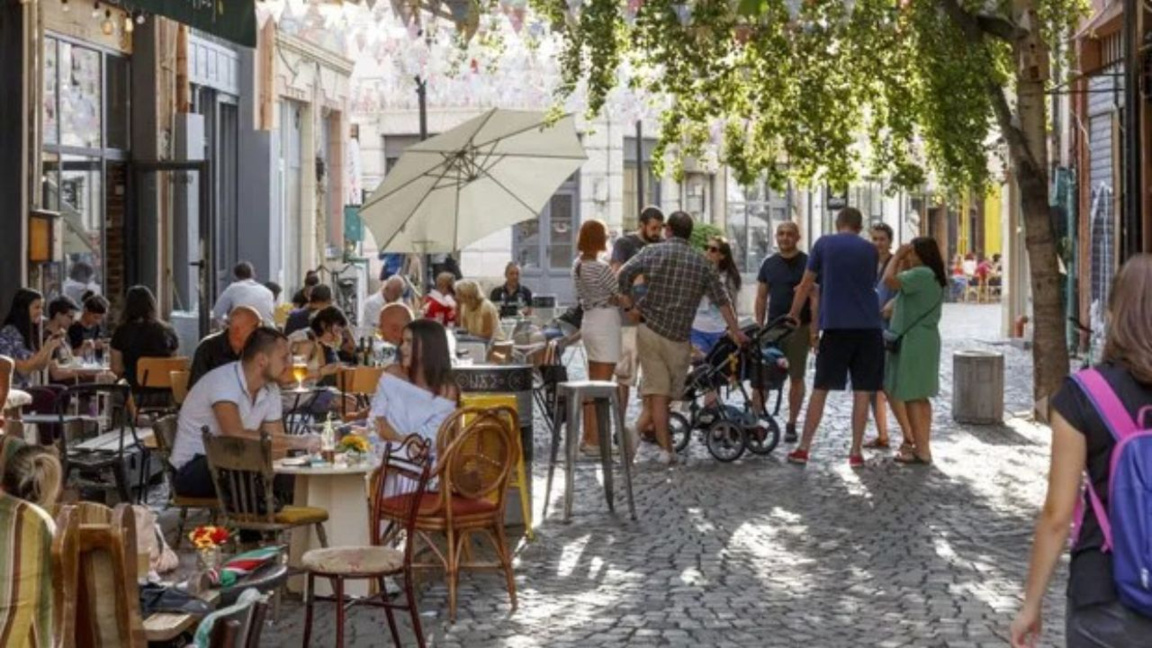
PHOTO La Croix
Font size
The French newspaper La Croix has published a lengthy report on Bulgaria titled Plovdiv, symbole du retour des cerveaux bulgares (Plovdiv: Symbol of the Return of Bulgarian Talent).
In the article, published on May 4, special correspondent Agnès Rotivel writes that after decades of demographic decline, Bulgaria is now seeing more people return home than leave the country. According to figures cited by La Croix, around 18,000 Bulgarians returned in 2025, while approximately 13,000 left.
Rotivel describes Plovdiv as one of the clearest examples of this trend. She portrays Bulgaria's second-largest city as one of Europe's oldest continuously inhabited places, shaped by Greek, Turkish, Jewish, and Armenian influences. Since being named European Capital of Culture in 2019, she writes, 'the city has had the wind at its back'.
A significant part of the report focuses on the Trakia Economic Zone (TEZ), which Rotivel describes as "a kind of economic miracle" that has helped to drive Plovdiv's revival after years of economic hardship.
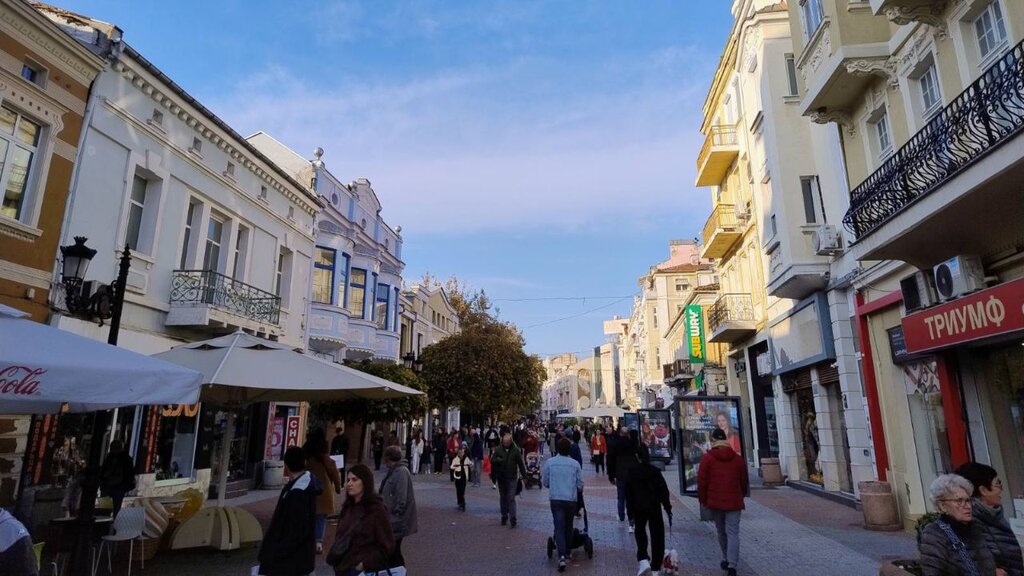
PHOTO Elena Karkalanova
Rotivel describes Plamen Panchev and his son Martin as key figures behind the Trakia Economic Zone, an industrial hub that has attracted some of Europe’s largest companies as well as businesses from Japan, China and South Korea.
“And many others are expected to follow. Young people see that there are opportunities in Bulgaria, that it is a safe and calmer country, and that the level of education has improved significantly,” La Croix quoted Plamen Panchev as saying.
The report also follows the story of Martin Panchev, who studied architectural technology and construction in Copenhagen between 2013 and 2018.
“Like 80% of my classmates from secondary school,” Martin Panchev told La Croix, describing how common it had been for young Bulgarians to move abroad.
After finishing his studies in Denmark, he chose to return to Plovdiv and work on the development of the Trakia Economic Zone. According to Rotivel, his role today is to attract new international investors to Plovdiv and to other industrial zones in Bulgaria partnering with TEZ.
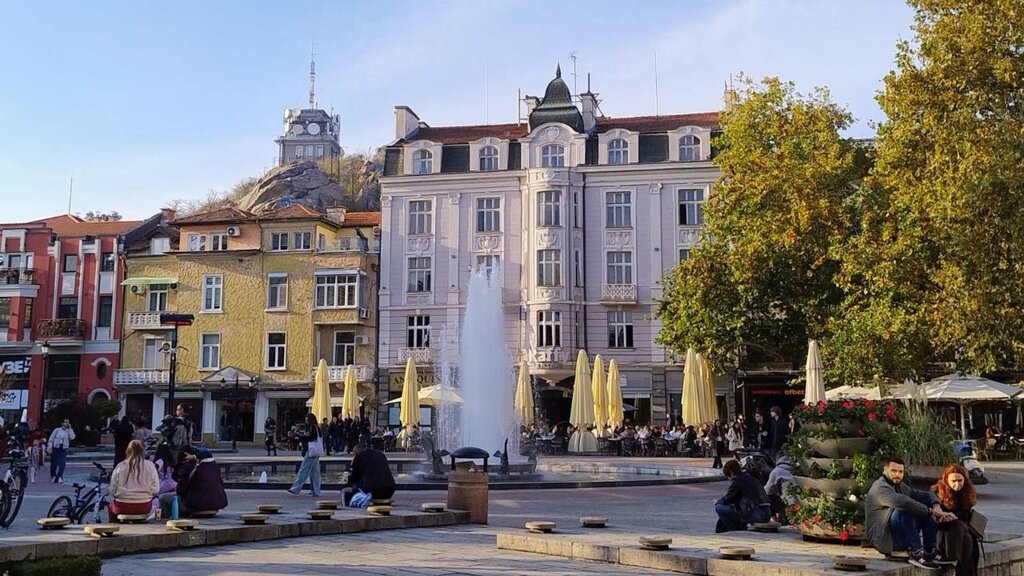
PHOTO Elena Karkalanova
The French journalist portrays Plovdiv as a city that combines a high quality of life with economic growth, universities and modern industry. This combination is increasingly convincing young people that they can build careers in Bulgaria rather than abroad.
According to Rotivel, Plovdiv is not only a historic city, but also an economic powerhouse and a symbol of a growing trend: the return of Bulgarians to their homeland.
She writes that for many young families, life in Plovdiv is becoming more attractive than living in large Western cities, highlighting education as a key factor.
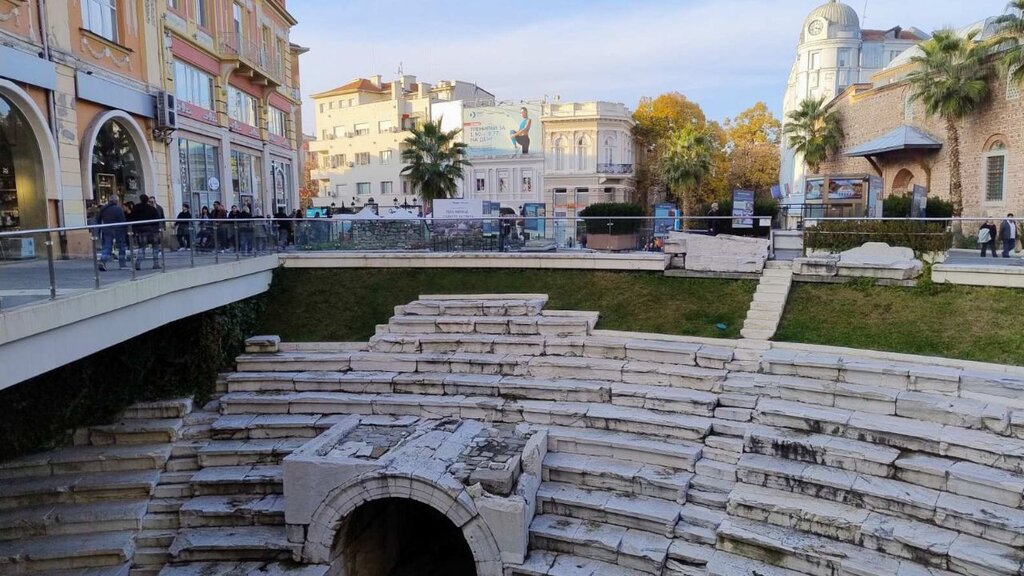
PHOTO Elena Karkalanova
The city is home to nine universities that attract both Bulgarian and international students. According to Prof. Veselina Goranova, vice rector for academic affairs, British students accounted for 40% of foreign students at the Medical University of Plovdiv in 2025.
According to Rotivel, Bulgaria is becoming an increasingly popular destination for foreign students thanks to its lower tuition fees, favourable conditions, and improving standards of education. She concludes that the era of mass emigration is gradually coming to an end, as more and more Bulgarians are beginning to believe that they can enjoy a good life in their own country.
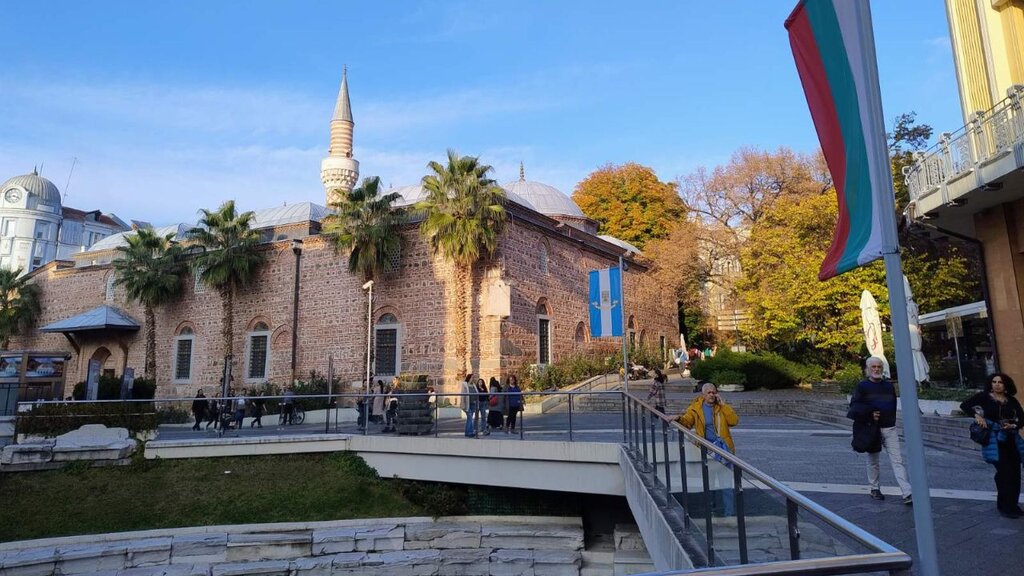
PHOTO Elena Karkalanova
Text by Elena Karkalanova
Editing by Desislava Semkovska
This publication was created by: Elizabeth Radkova