


News
Bulgarian farmers call on the state to help them access markets
Nikolay Genov: “We have too little Bulgarian production, yet there is no market for it”
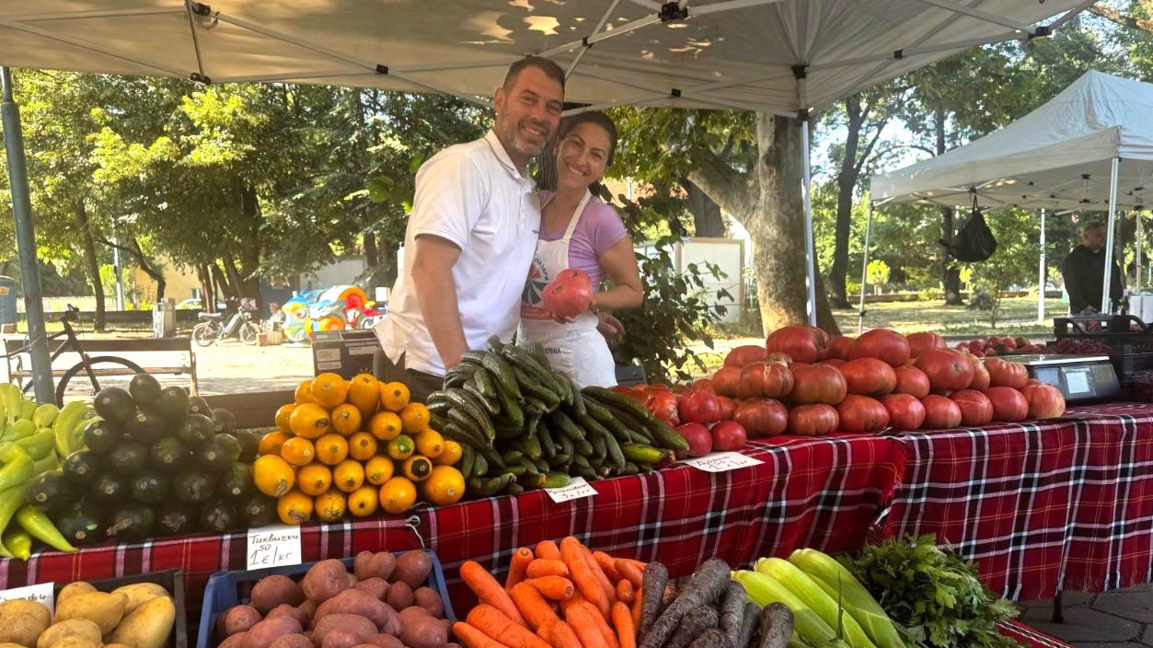
PHOTO Hrankoop cooperative
Font size
Farmers in Bulgaria are calling for higher purchase prices and a comprehensive government strategy for the development of agriculture in the country. According to producers, the lack of a coherent state policy and unresolved issues surrounding wholesale produce markets are threatening the survival of the sector.
Insufficient market opportunities and disrupted exports have prompted fruit and vegetable growers to take to the streets in protest. Peach producers from the Sliven region are calling for changes to the Law on Branch Organizations and say the sector has been operating at a loss for years. They point out that purchase prices - around €0.37 per kilogram - have remained unchanged for a decade. In practice, they say, it is more profitable to discard part of the harvest than to sell it on the market.
“It’s a paradox - we have too little production in Bulgaria and increasingly large imports of fruit and vegetables, estimated at up to 80%, yet when Bulgarian fruit is available, there is no market for it. But the two things are actually connected - the market is occupied by imports,” Nikolay Genov of Hrankoop, a cooperative bringing together producers and consumers of clean food, told Bulgarian National Radio (BNR).
“Even when we produce less, if the year is good for certain crops - as it is for peaches this year, and there are also larger quantities of tomatoes available - they simply have nowhere to sell their produce,” he explained in an interview with Dobrinka Dobreva of BNR’s Horizont program.
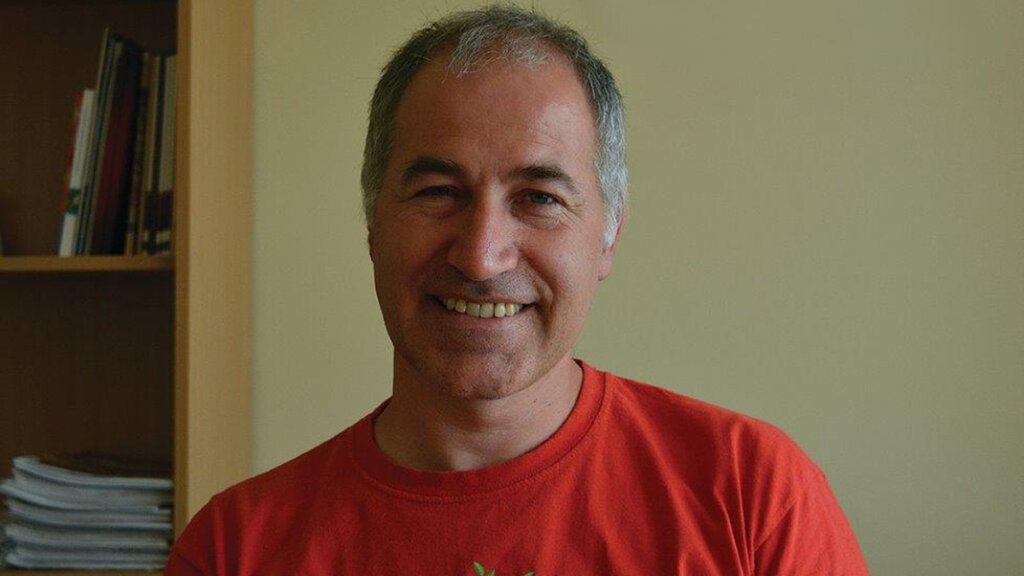
Nikolay Genov
PHOTO agrozona.bg
According to Genov, the state could help producers by creating more opportunities to sell their goods, particularly through farmers’ markets.
“The state can help producers by creating more markets - real markets, such as farmers’ markets, which are gaining momentum despite all the difficulties and the lack of regulation and attention from the state. At farmers’ markets, the producers who participate are already able to sell their produce at a fair price. Those who do not have access to such markets, on the other hand, are currently suffering precisely because of the low purchase prices. In my opinion, there should be less focus on control and more on creating opportunities.”
Asked whether cooperatives can provide a solution and make producers more competitive, Genov said the model has already proved successful.
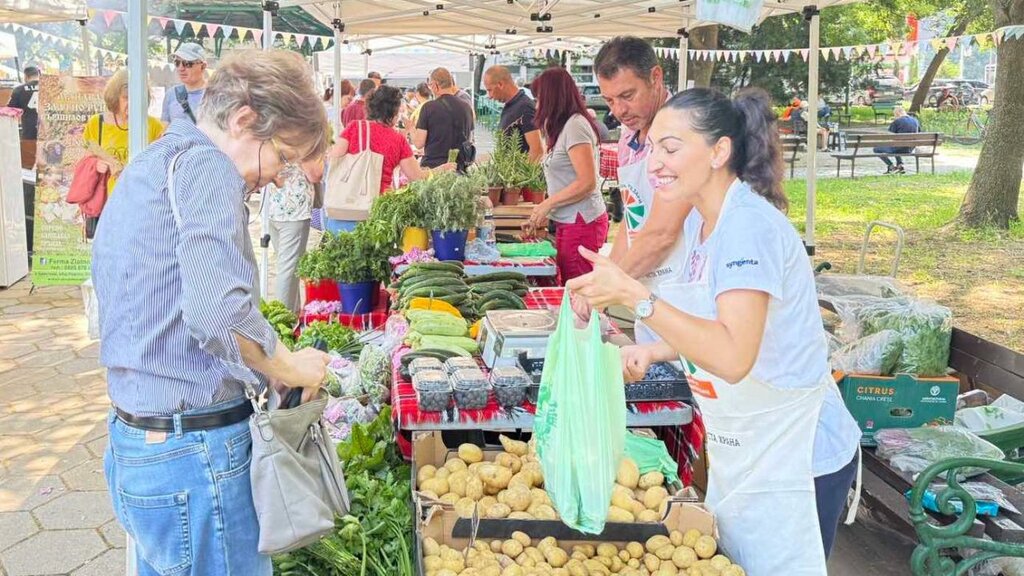
PHOTO Hrankoop cooperative
“Yes. We have been working with perhaps more than 100 producers for 15 years now. Those who are part of our cooperative - around 40 to 50 producers - are sustainable and have loyal customers who are organized around them, namely our cooperative members. This is also a model that has been developing in the West for more than 20 years. It is called Community Supported Agriculture, which means that the community supports agriculture.”
He explained that the structure of the market has changed, with most consumers now living in large cities while agricultural production remains concentrated in villages. As a result, cooperatives are being established in cities to purchase produce from rural farmers.
“In this respect, there should again be some form of encouragement or support from the state. I would say that the opposite is happening. There are already informal cooperatives in Bulgaria, as well as formal ones like ours, but most are informal. They are often treated as something harmful or improper, as speculation, almost as if they were selling food outside the regulatory system.”
Genov’s comments suggest that instead of receiving support, small farmers’ markets and cooperatives often face administrative pressure. State institutions sometimes view them with suspicion - as a source of risk.
At the same time, cooperatives could offer small Bulgarian producers one of the best ways to supply major retail chains without being forced to sell their produce at rock-bottom prices to middlemen.

PHOTO Hrankoop cooperative
“What we are actually seeing is that when a producer works for a market, they regulate their production accordingly. When there is a real market, you sow according to it and plan according to the demand. Even our producers in the cooperative are now getting three or four harvests from the same plot, and they sell everything they produce. They don’t have these surpluses that they suffer from because they cannot sell them. That is the way forward.”
Genov noted that there are around 12-13 organizations in Bulgaria operating farmers’ markets, along with a number of cooperatives.
“This is something policymakers need to examine - to look a little more deeply into these models of ours. At the moment, they may appear small, and policymakers may think they cannot work for the entire country. But I believe we are the seed of something that can be replicated many times across the country, so that more producers can suffer less when they have produce to sell.”
The interview is made by Dobrinka Dobreva, BNR's Horizon programme
English version: R. Petkova
This publication was created by: Rositsa Petkova