


News
National Security Council condemns strikes on ships in the Black Sea
President Iotova: Russia’s War in Ukraine has significantly deteriorated the security environment in the region
Wednesday 7 October 2026 19:36
Wednesday, 7 October 2026, 19:36
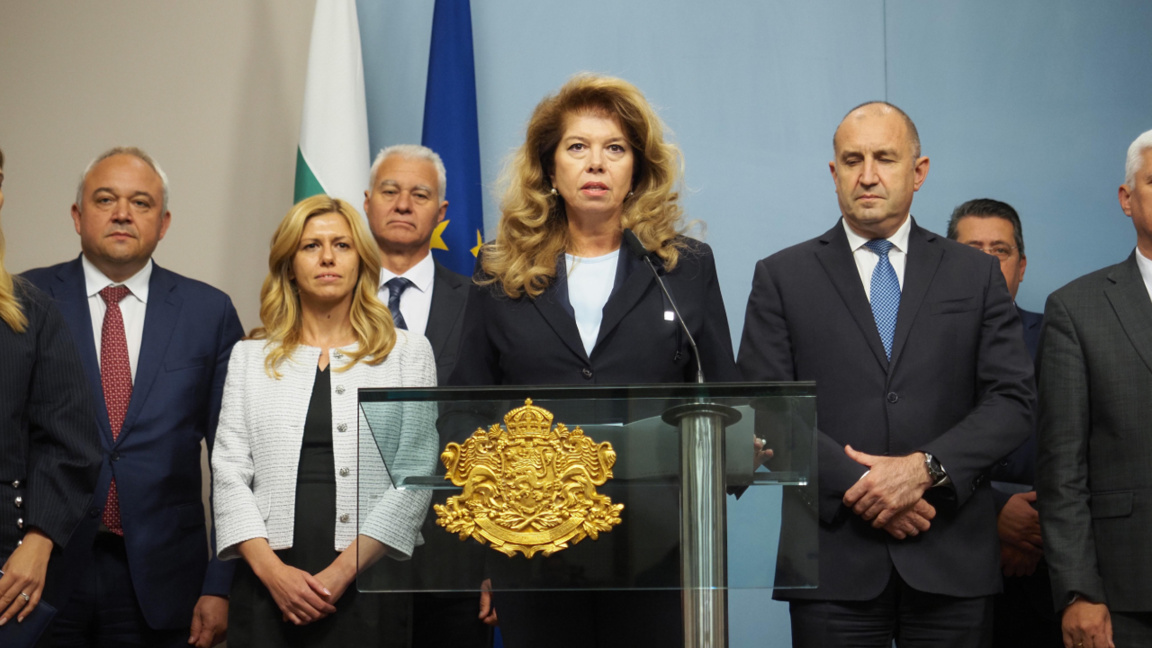
PHOTO BTA
Font size
The Consultative Council on National Security (CCNS), convened by Bulgarian President Iliana Iotova, strongly condemns the attacks on merchant ships in the Black Sea, calling them a gross violation of international maritime law, and calls for an immediate investigation to establish those responsible for the attacks, Bulgaria’s head of state Iliana Iotova said following a five-hour meeting of CCNS. The meeting discussed security risks in the Black Sea and potential threats to the country’s critical infrastructure arising from the ongoing war in Ukraine.
The head of state convened the first Consultative Council on National Security of her term following an incident in Bulgaria’s exclusive economic zone in the Black Sea, where two merchant ships flying foreign flags were hit by military drones on October 6.
President Iotova said that Russia’s war in Ukraine has significantly worsened the security environment in the Black Sea region:
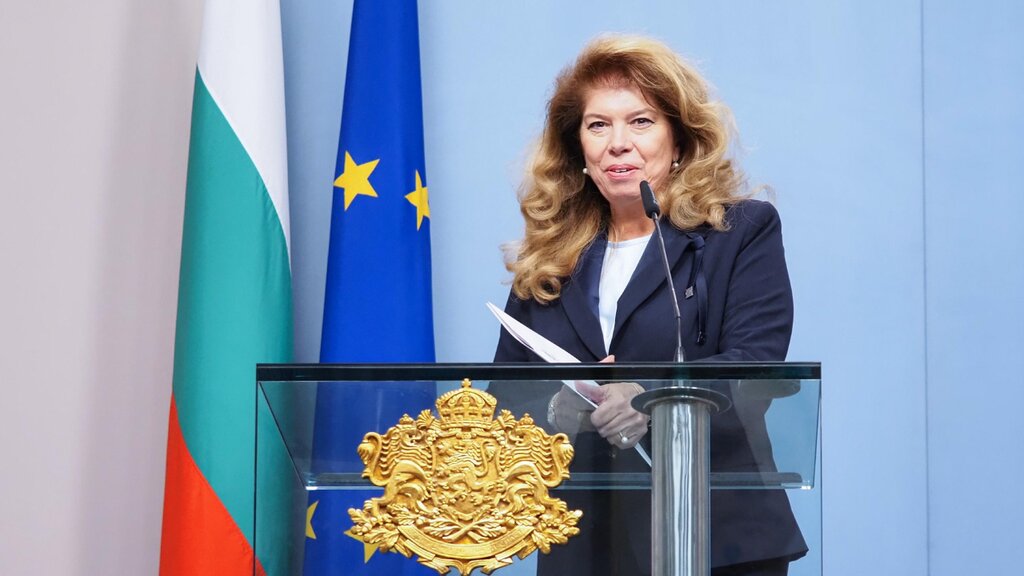
President Iliana Iotova
PHOTO BGNES
“Given the incidents, it was acknowledged that there are serious challenges to protecting critical infrastructure. These threats are a direct consequence of the lack of prospects for a peaceful resolution to the military conflict''.
Iliana Iotova said CCNS members had also agreed to continue implementing the measures adopted by the Council of Ministers to counter risks and threats. ''The Consultative Council on National Security agreed on proposals to the executive and legislative branches, with the proposals being adopted by a three-quarters majority. Three parliamentary groups voted against. We condemn the attacks on merchant ships and call for an investigation to establish those responsible for the attacks”, Iliana Iotova added.
“An immediate ceasefire is the strongest guarantee of our security. Bulgaria must play an active role in this process,” the president also said.
“Bulgaria should urgently hold consultations with Romania and Türkiye on joint action to halt attacks on merchant ships in the Black Sea and ensure the safety of navigation. Bulgaria should take an active role in negotiations and in finding consensus among the countries bordering the Black Sea: Russia, Ukraine, Bulgaria, Romania, Georgia and Türkiye”, Iliana Iotova added.
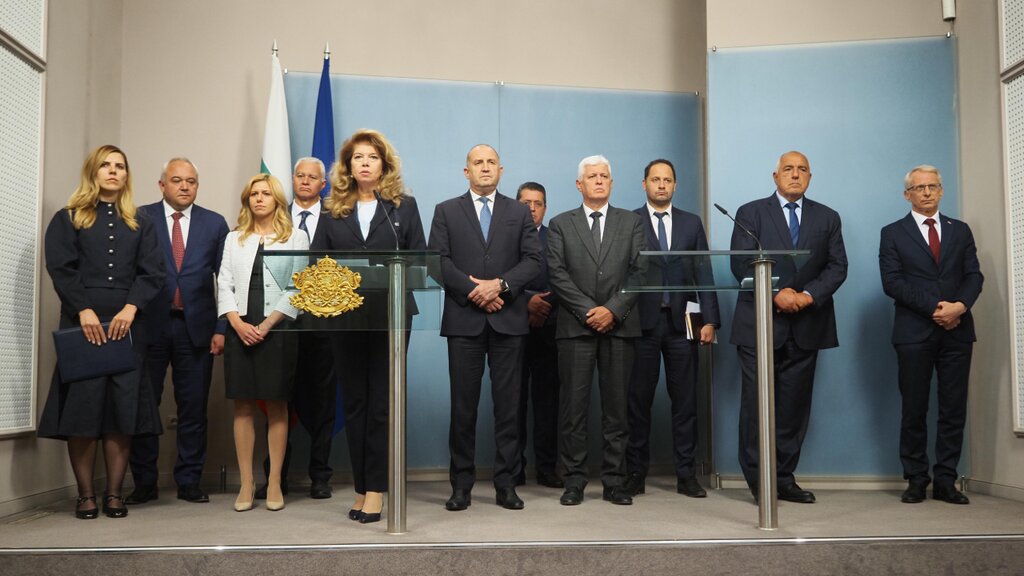
PHOTO BGNES
It is also necessary to strengthen maritime situational awareness through the use of unmanned aerial systems for reconnaissance and surveillance, as well as to accelerate the modernization of the armed forces with the aim of acquiring counter-drone systems with kinetic capabilities, in close cooperation with NATO and the European Union.
According to the participants in the meeting, Russia’s war against Ukraine has led to a significant deterioration in the security environment in the Black Sea region.
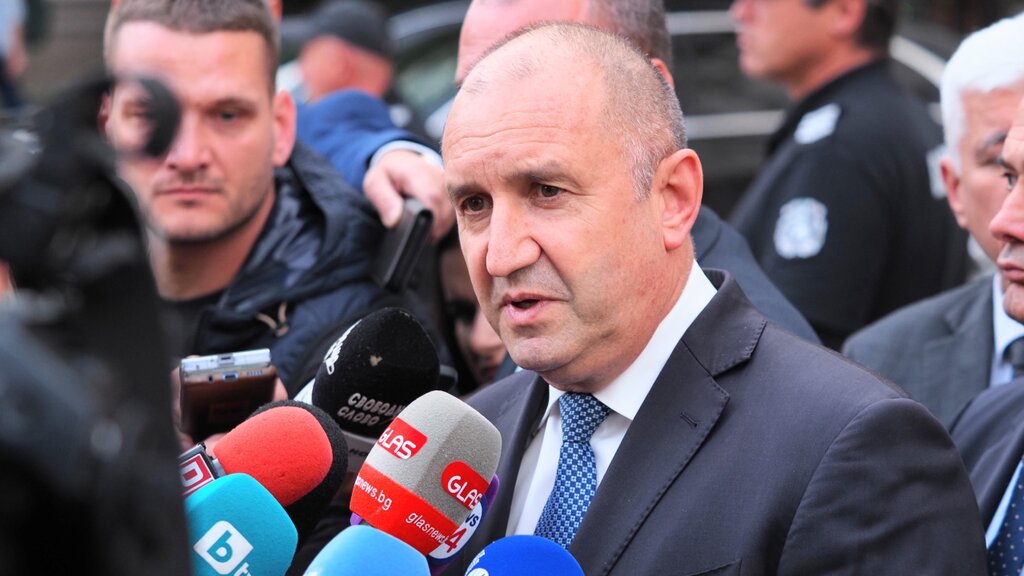
Premier Rumen Radev
PHOTO BGNES
Following the meeting, Prime Minister Rumen Radev said that, at this point, there are no grounds for Bulgaria to categorically say that Russia was responsible for the strikes on vessels in the country’s exclusive economic zone. According to him, determining the origin of the drones used in the attacks should be based on concrete evidence rather than hypotheses.
The Prime Minister said that the government would propose coordination with Türkiye and Romania, while also seeking support from the US partners to investigate the area where the strikes occurred.
Particular attention will be paid to the vessel Able, which is still afloat, in order to determine the origin of the drones, Rumen Radev explained. He also announced that Bulgaria had had contacted the European Maritime Safety Agency (EMSA) to request a free examination of debris from the sunken vessel. “Only then can we say what kind of drone it was and who carried out the attack”, Premier Radev stated firmly.
The Prime Minister stressed that, at present, there is no immediate threat to Bulgaria’s national security. “I cannot say that there is an immediate threat to national security. Of course, there are risks. A war is being waged not far from us. As I said, it is expanding its geographical scope. It has also entered the exclusive economic zone of the Republic of Bulgaria. But at this point, I can say that there is no direct threat to Bulgaria’s national security”, said Rumen Radev.
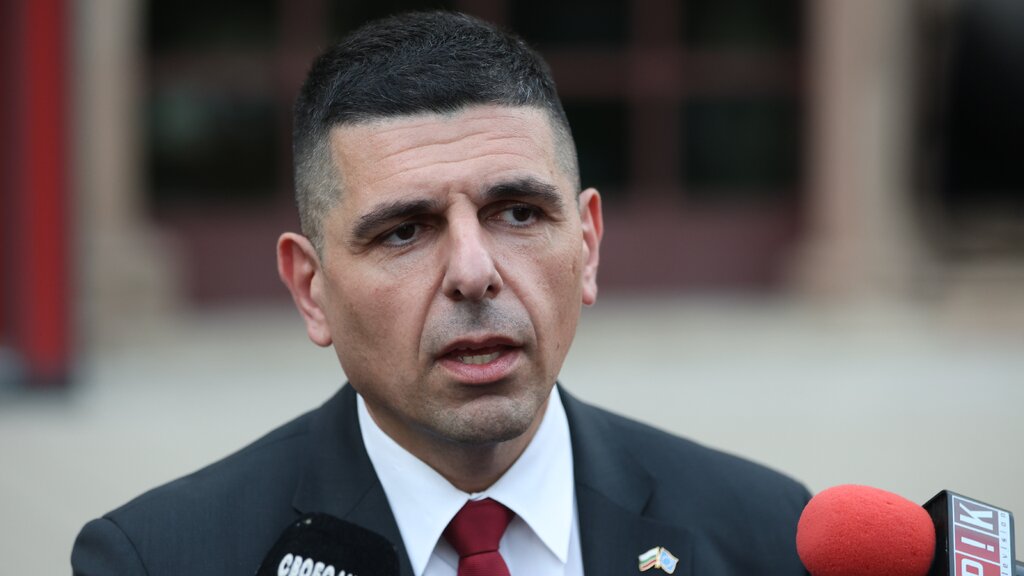
Ivaylo Mirchev
PHOTO BTA
“What became clear from the Consultative Council on National Security is that there are sufficient indications of clear Russian involvement in the sinking of one of the vessels”, said Ivaylo Mirchev, co-chairman of Democratic Bulgaria. He added: “I don’t remember anyone at the table having doubts that Russia was behind the attack.”
The MP also said that the text adopted by the Consultative Council on National Security was not supported by four parliamentary groups - Democratic Bulgaria (DB), We Continue the Change (PP), Movement for Rights and Freedoms (DPS) and Vazrazhdane.
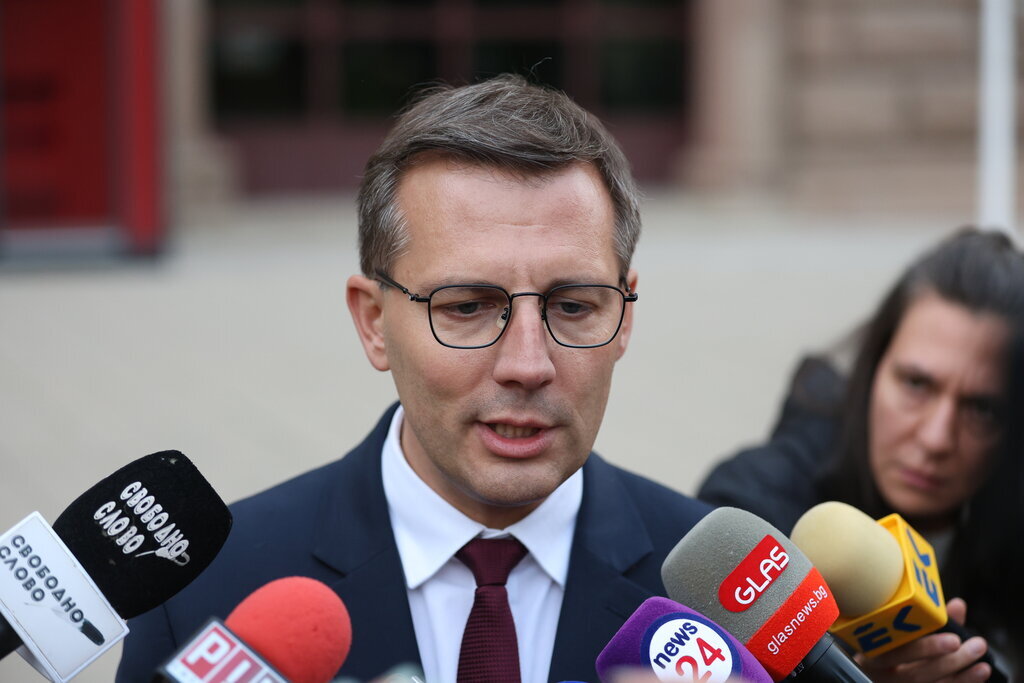
Stanislav Atanasov
PHOTO BTA
“The issue on which there was no consensus was who the aggressor is, and that is abundantly clear”, said Stanislav Anastassov of the Movement for Rights and Freedoms (DPS) parliamentary group following the meeting of the Consultative Council on National Security (CCNS).
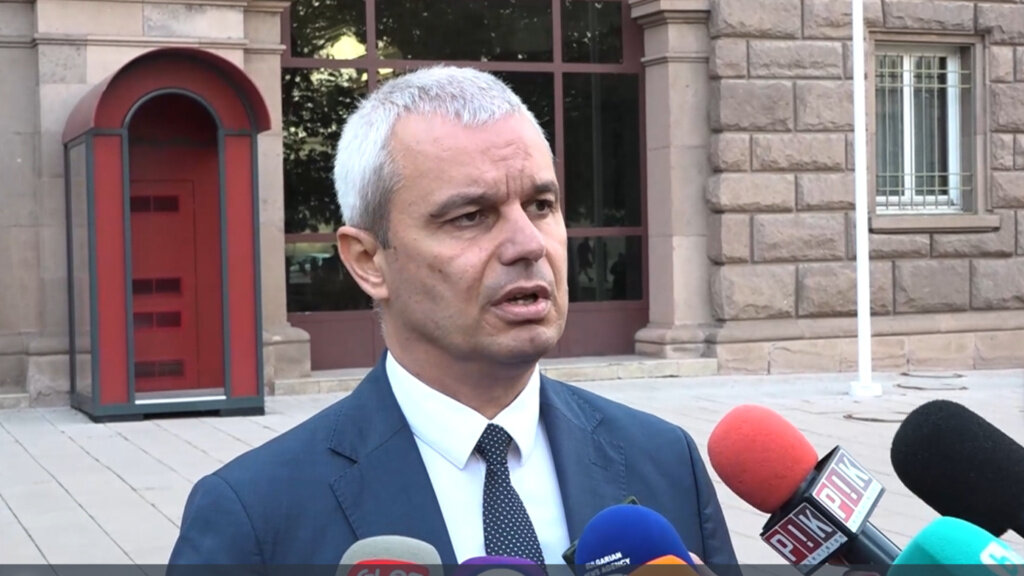
Kostadin Kostadinov
PHOTO BTA
Vazrazhdane is calling for Bulgaria to act as a mediator in the conflict between Russia and Ukraine, rather than participate in policies that, according to the party, fuel the hostilities, said the party’s leader, Kostadin Kostadinov, following the meeting of the Consultative Council on National Security.
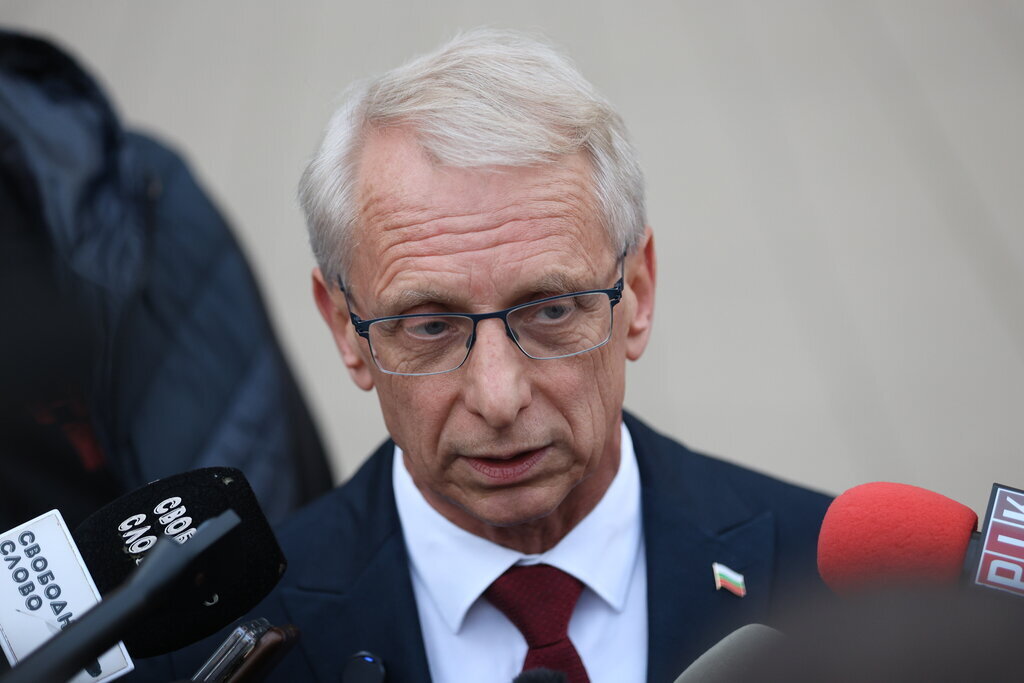
Nikolay Denkov
PHOTO BTA
Nikolay Denkov of We Continue the Change (PP) highlighted the vote on the CCNS statement, noting that four of the six parliamentary parties had voted against the document. Regarding the question of who was behind the attacks on the vessels, he stressed that the investigation should be completed before any definitive conclusions are drawn. According to him, the participants in the CCNS were united in their view that the investigation must be completed and that its findings should be provided to the relevant authorities.
The GERB–SDS parliamentary group was represented by GERB leader Boyko Borissov, who made no comment following the meeting of the Consultative Council on National Security.
The meeting was attended by the Speaker of Parliament, the prime minister, the ministers of defence and interior, the heads of the security services, and representatives of the parliamentary groups. The CCNS’s decisions are purely advisory and consultative, serving to foster political consensus and make recommendations on strategic matters related to the country’s security.
Edited by Diana Tsankova
Translated by Kostadin Atanasov
This publication was created by: Kostadin Atanasov